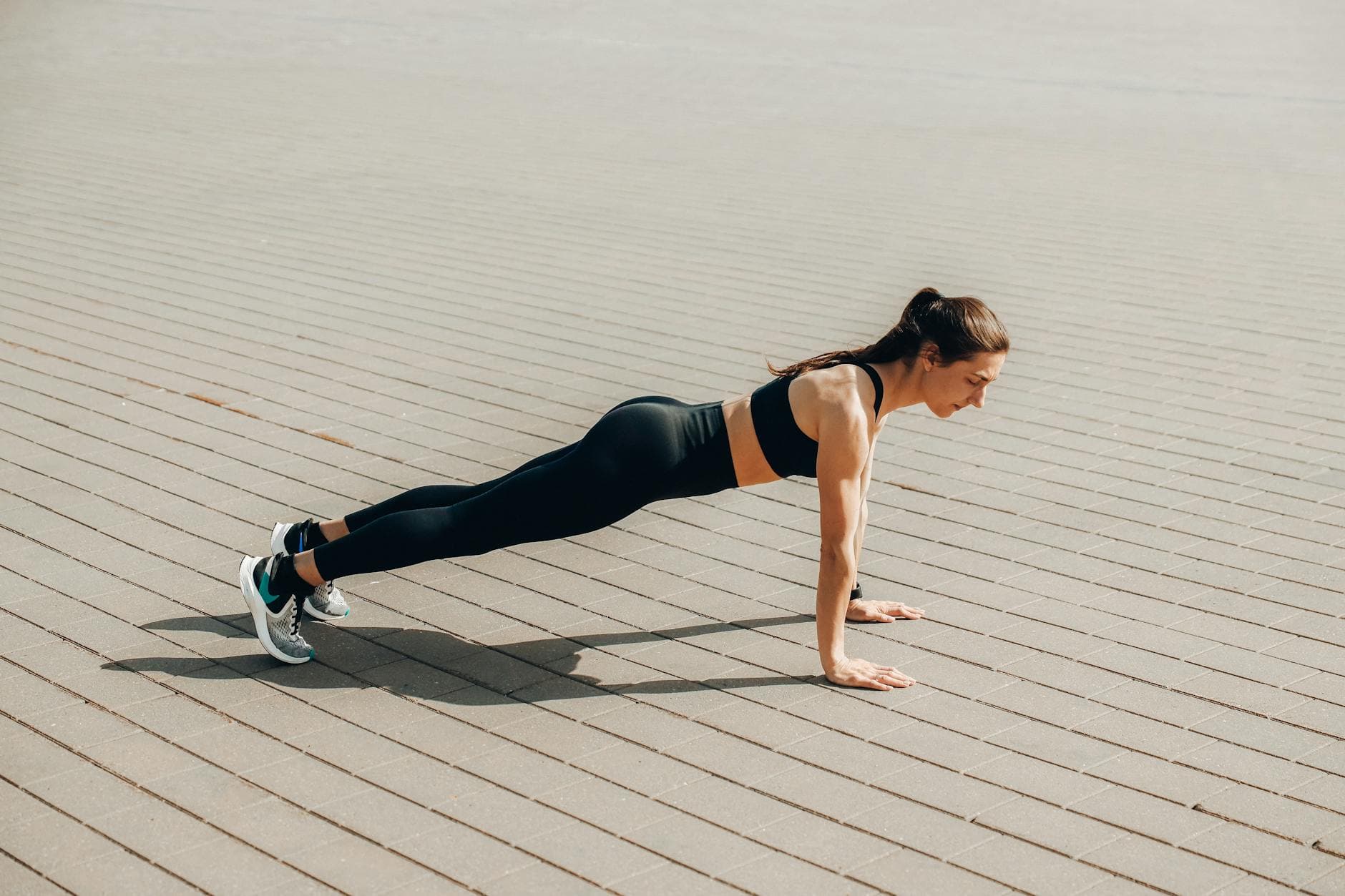
I'll be real with you, for years I was a gym rat. Like, hardcore. I thought if you weren't lifting heavy iron, you weren't truly building muscle or getting strong. Anything less felt like playing at fitness, you know? I used to scoff a bit at the idea of a serious bodyweight workout routine, picturing endless, ineffective push-ups in a living room. Man, was I wrong.
That rigid mindset got shattered a few years back when I injured my shoulder. The doctor benched me from weights for months. Desperate to maintain some semblance of my fitness, I reluctantly turned to what I considered "plan B": my own body. What started as a forced alternative quickly became a revelation. I discovered a whole new depth of strength, control, and functional fitness I'd never tapped into, all from a consistent bodyweight workout plan. It genuinely surprised me how effective it was, and honestly, it changed my entire perspective on what's possible without a single piece of equipment.
Why Most People Get Bodyweight Training Wrong
Here's the thing: a lot of folks dismiss bodyweight training as something only for beginners or for cardio. They think it's just about doing a few push-ups and calling it a day. But that's a massive misunderstanding of its potential. It’s not just about doing more reps; it’s about mastering your own body, understanding leverage, and building incredible stability.
The Myth of "No Weights, No Gains"
I used to believe this hook, line, and sinker. If you want to build muscle, you need to lift heavy. That's the gospel, right? While weights are fantastic, they're not the only path. The human body is an amazing machine, capable of creating its own resistance. Think about gymnasts – their physiques are sculpted, powerful, and they rarely touch a barbell. Their entire training is a testament to the power of bodyweight strength training.
The truth is, progressive overload, the key principle for muscle growth, can be achieved just as effectively with bodyweight exercises. You just have to be smarter about how you apply it. It's about finding ways to make the movements harder, not just doing them more often.
Beyond Just "Working Out": Functional Strength
When you perform a squat with a barbell, you're strong in that specific movement pattern. But when you do a pistol squat, you're not just moving weight; you're developing balance, core stability, and unilateral leg strength that translates directly to real-world movements. This type of functional fitness training is what makes bodyweight exercises so powerful.
You're not just training muscles in isolation; you're training your entire body to work as a cohesive unit. This integrated strength is incredibly valuable, whether you're carrying groceries, playing with kids, or just moving through life without aches and pains. It's about building a body that performs, not just one that looks good in the mirror.
Building Your Full Body Bodyweight Workout: The Essential Movements
Okay, so you're ready to dive in. You want a legitimate bodyweight muscle building routine. Where do you even start? My advice: focus on compound movements. These are exercises that work multiple muscle groups at once, giving you the most bang for your buck. Forget endless bicep curls; we're talking about fundamental human movements.
Pushing Power: Chest, Shoulders, Triceps
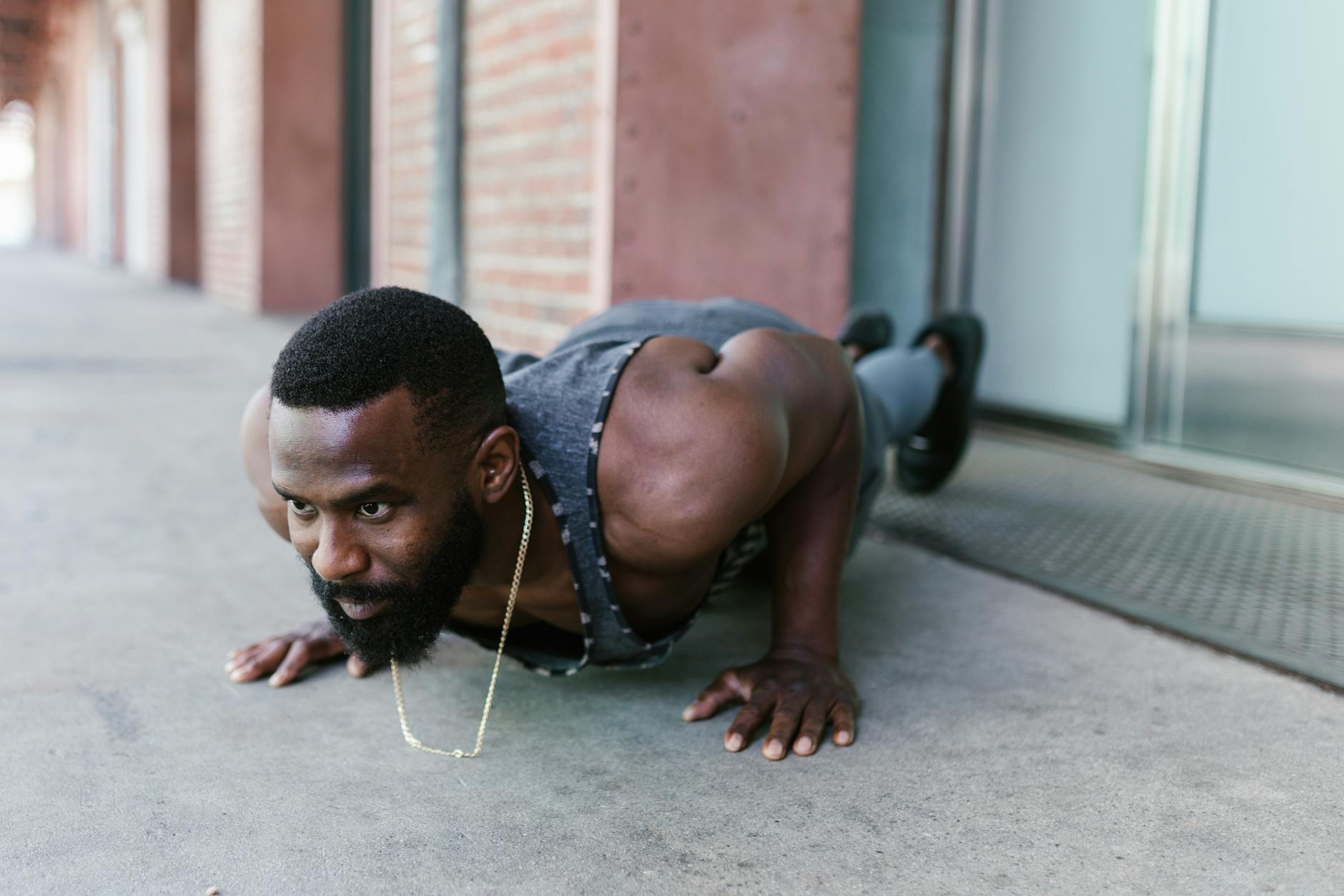
When it comes to pushing, the push-up is king, but it's just the beginning. Don't be fooled by its simplicity; a truly perfect push-up is a full-body exercise. Your core needs to be rock solid, your glutes engaged, and your shoulders stable. To build a great bodyweight exercise routine, you need variety and progression.
Push-up Variations for All Levels
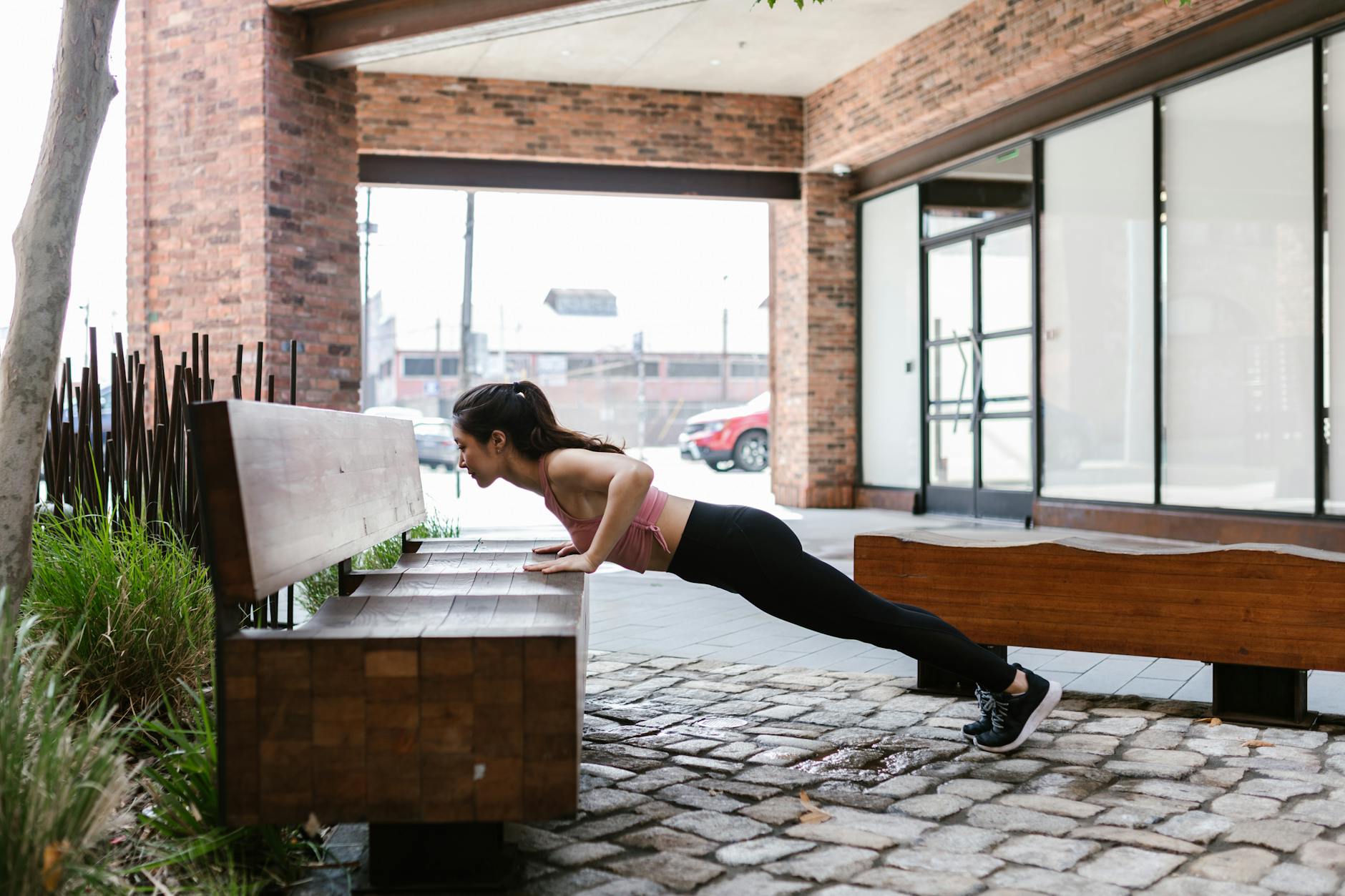
- Incline Push-ups: Start with your hands on a sturdy counter or bench. The higher the surface, the easier it is. This is fantastic for beginner bodyweight exercises.
- Standard Push-ups: Hands on the floor, chest to the ground. Keep your elbows tucked slightly, not flared out like wings.
- Decline Push-ups: Elevate your feet on a bench or chair. This shifts more weight to your upper chest and shoulders, making it significantly harder.
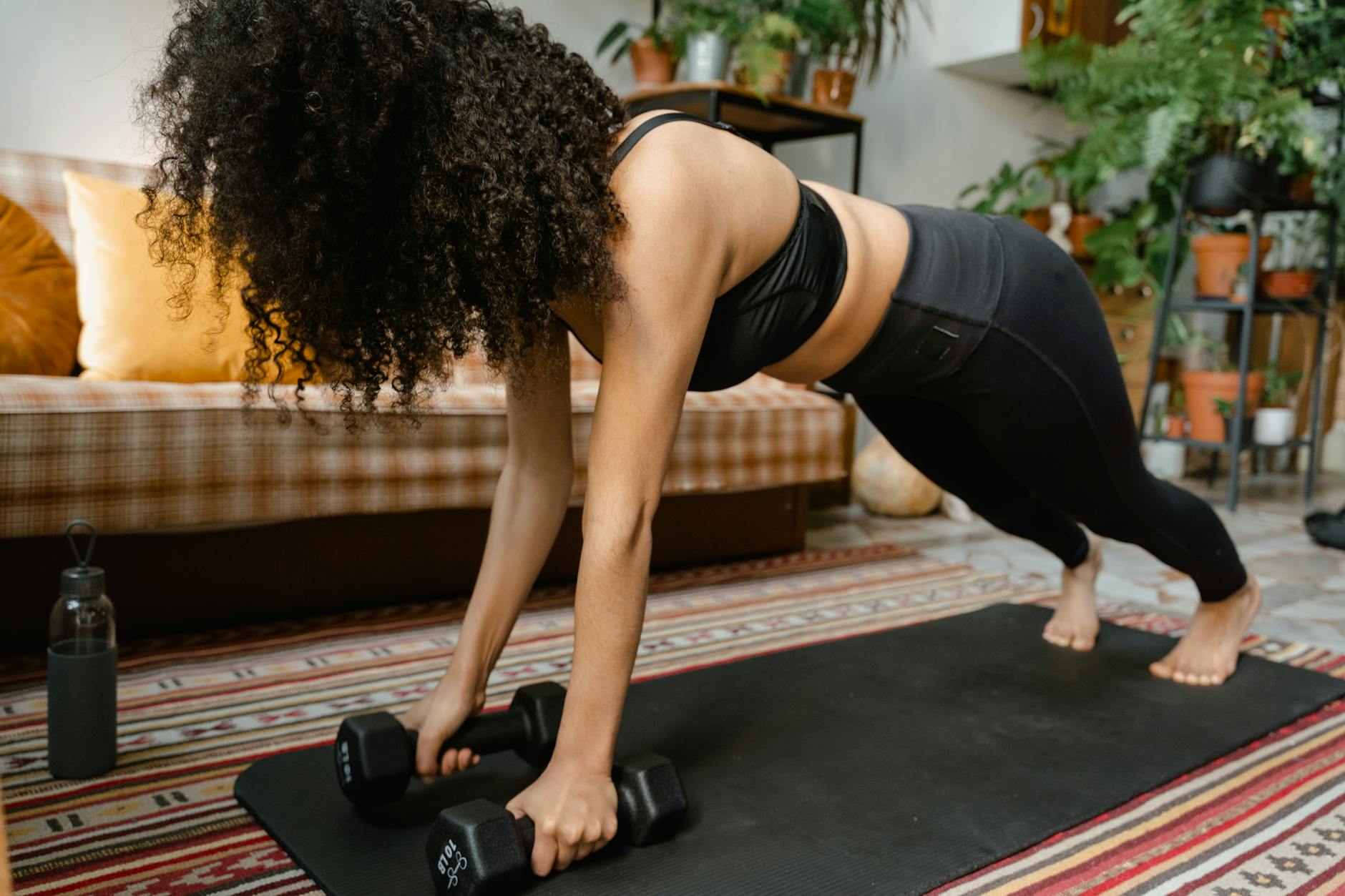
- Pseudo Planche Push-ups: This one surprised me. Lean your body forward, hands closer to your hips, engaging your shoulders and core intensely. It's a huge step towards advanced calisthenics exercises.
Pulling Power: Back, Biceps
This is often the trickiest part of an at home bodyweight workout because true pulling exercises are harder to replicate without equipment. But it's crucial for balanced development and preventing shoulder issues. You absolutely cannot skip pulling movements.
Smart Pulling Solutions
- Inverted Rows (Australian Pull-ups): Find a sturdy table, a low bar, or even the edge of a sturdy railing. Lie underneath, grab on, and pull your chest towards your hands. The straighter your body, the harder it is.
- Door Frame Rows: A bit unconventional, but effective. Grip the sides of a sturdy door frame (make sure it's secure!) and lean back, pulling yourself forward. Be careful with this one!
- Towel Rows: Loop a towel over a sturdy door handle (on the other side of a closed door) or a beam. Hold the ends of the towel and perform rows. Again, safety first!
Leg Strength: Quads, Hamstrings, Glutes
Your legs are your foundation, and thankfully, there are tons of fantastic bodyweight options to build serious lower body strength. These are often overlooked in favor of upper body, but a strong lower body is key for overall fitness.
Lower Body Essentials
- Squats: The fundamental human movement. Keep your chest up, push your hips back, and go as deep as you comfortably can while maintaining good form.
- Lunges: Step forward or backward, dropping your back knee towards the ground. Great for unilateral strength and balance.
- Glute Bridges/Hip Thrusts: Lie on your back, feet flat, and lift your hips towards the ceiling, squeezing your glutes at the top. You can make this harder by elevating your feet or doing single-leg variations.
- Pistol Squats: The ultimate bodyweight leg exercise. Squat down on one leg while extending the other straight out in front of you. This takes serious mobility and strength, so work up to it with progressions like holding onto a support.
Core Control: Abs, Obliques, Lower Back
A strong core isn't just about a six-pack; it's the powerhouse of your body. It stabilizes your spine, allows you to transfer force, and helps prevent injuries. Honestly, a lot of people neglect proper core training, thinking crunches are enough. They're not.
Core Strength Beyond Crunches
- Planks: Hold a rigid body line, like a moving plank of wood, from head to heels. Focus on bracing your core, not just holding your breath.
- Leg Raises: Lie on your back and slowly raise your legs towards the ceiling, keeping your lower back pressed into the floor.
- Hollow Body Holds: A foundational calisthenics exercise. Lie on your back, extend arms overhead and legs straight, then lift your head, shoulders, and legs slightly off the floor, engaging your core tightly.
- Superman: Lie on your stomach and lift your arms, chest, and legs off the floor simultaneously, engaging your posterior chain.
Structuring Your At-Home Bodyweight Workout Routine for Results
Having a list of exercises is one thing; putting them into a cohesive home workout plan is another. You need structure to improve strength at home. Consistency and progressive overload are your best friends here. You can't just wing it every day and expect to see significant changes.
Frequency and Duration: Finding Your Rhythm
For most people, aiming for 3-4 full body bodyweight workout sessions per week is ideal. This allows for adequate recovery between sessions, which is when your muscles actually grow stronger. Each session should last anywhere from 30 to 60 minutes, depending on your fitness level and available time. Look, even 20 minutes of intense, focused work is better than nothing.
You might consider a split, like an upper/lower body bodyweight workout, but for general fitness and muscle building without weights, a full-body approach is fantastic because it hits everything more frequently. This is particularly effective for those just starting out or working with limited time.
Workout Structure: Sets, Reps, and Rest
A common and effective structure for a bodyweight workout routine is to perform 3-4 sets of 8-15 repetitions for each exercise. If you can easily do more than 15 reps with good form, it's time to move to a harder variation of that exercise. Rest for 60-90 seconds between sets to allow for partial recovery, enough to maintain intensity but not so much that you cool down completely.
For core exercises or isometric holds like planks, aim for time instead of reps, holding for 30-60 seconds per set. Think about a circuit format too, especially if you're short on time. Go through all your exercises once, rest, then repeat the circuit. This keeps your heart rate up and makes your workout more efficient.
Warm-up and Cool-down: Don't Skip These!
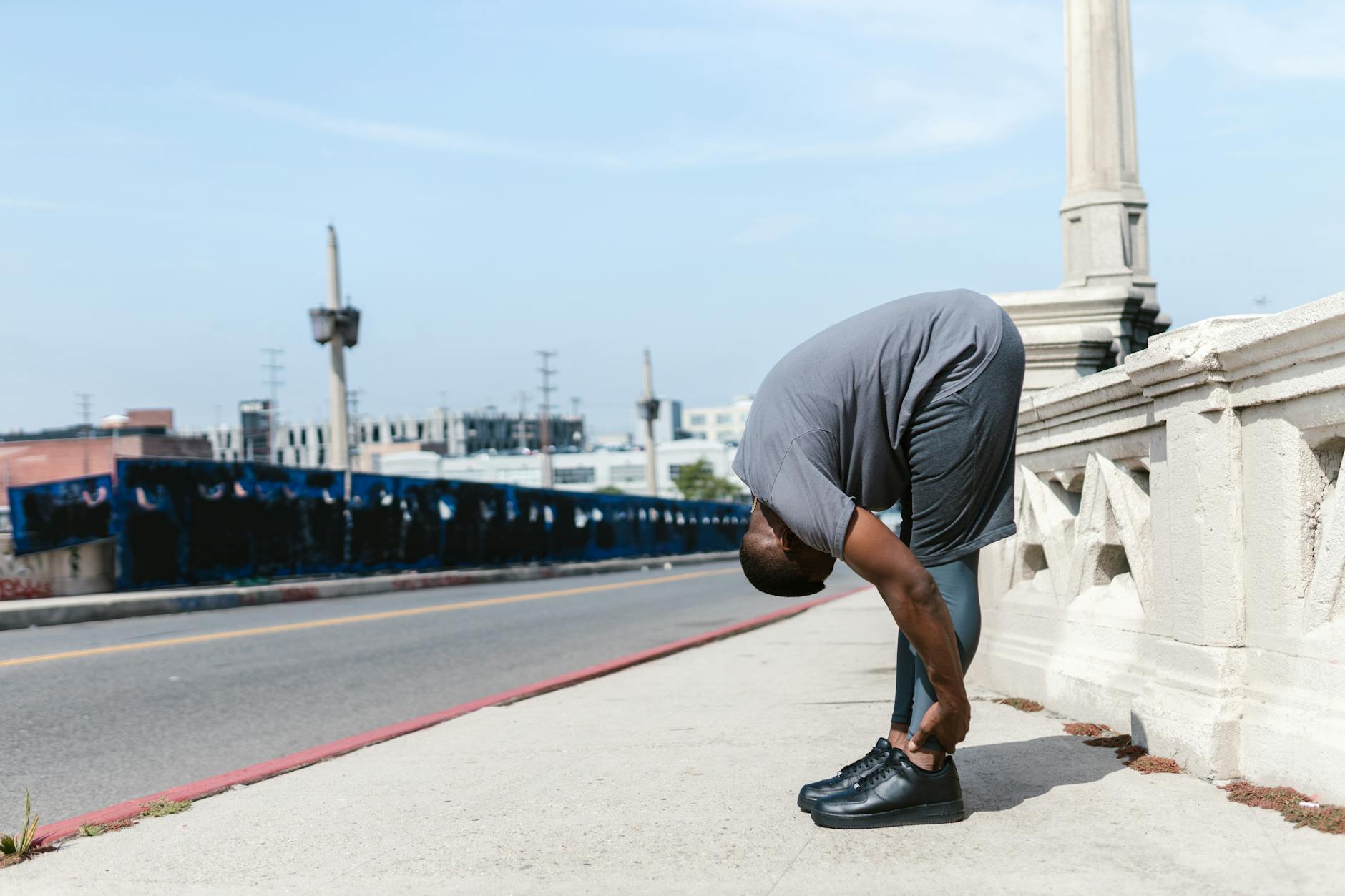
Seriously, don't. A proper warm-up prepares your body for the work ahead, increasing blood flow to your muscles and improving joint mobility. Five minutes of light cardio (jumping jacks, high knees) followed by dynamic stretches (arm circles, leg swings) is usually enough. For example, before I start my main routine, I always do 20 jumping jacks, 10 cat-cows, and 5 slow, deep bodyweight squats to get everything firing.
After your workout, a cool-down with static stretches helps improve flexibility and can aid in recovery. Hold each stretch for 20-30 seconds. Think about stretching your chest after push-ups, hamstrings after squats, and so on. It's a small investment with big returns for longevity and injury prevention, something Mayo Clinic research on bodyweight workout routine consistently highlights.
Progression: How to Keep Getting Stronger Without Weights
This is where many people fall off the bodyweight wagon. They hit a plateau and think they need to grab a dumbbell. But that's just not true. The beauty of calisthenics exercises is the endless ladder of progression. You just need to know how to climb it. This is how you achieve true men's workout routine level strength or any serious muscle building for that matter, without external weights.
Making Exercises Harder: The Art of Progression
There are several ways to increase the difficulty of a bodyweight exercise:
- Increase Reps/Sets: The most obvious, but eventually you'll hit diminishing returns. Aim for quality over quantity.
- Decrease Leverage: Make the movement less mechanically advantageous. For example, moving your hands closer together for push-ups, or doing decline push-ups.
- Increase Range of Motion: Go deeper into a squat or push-up if you can maintain good form.
- Slow Down the Tempo: Perform the eccentric (lowering) phase of an exercise very slowly (e.g., 3-5 seconds). This increases time under tension and builds incredible strength.
- Add Pauses: Hold the hardest part of the exercise for a few seconds. A pause at the bottom of a squat or the top of an inverted row can be brutal in a good way.
- Unilateral Training: Move from two limbs to one. Think single-leg squats (pistol squats), single-arm push-ups (eventually!), or single-leg glute bridges. This really challenges balance and strength.
Specific Example: Progressing Your Push-ups
Let's say you're crushing 3 sets of 15 standard push-ups. What next? You don't just do 20 or 25. That's fine, but it's not optimal for strength or muscle growth. Instead, try this:
- Tempo Push-ups: Perform 3 sets of 8-10 reps, but take 3 seconds to lower yourself down, pause for 1 second at the bottom, and explode up. Rest 90 seconds.
- Decline Push-ups: Elevate your feet on a low step. Aim for 3 sets of 8-12 reps. As that gets easier, increase the height of the elevation.
- Pseudo Planche Push-ups: Start with just a slight lean, hands closer to your waist. Aim for 3 sets of 5-8 reps, gradually leaning further forward over time.
This systematic approach ensures you're always challenging your muscles in new ways, promoting continuous growth. This is the essence of any effective 4 day workout routine or any strength program, regardless of equipment.
Beyond the Basics: Integrating Bodyweight into Your Life
The beauty of a bodyweight workout routine is its flexibility. It's not just a workout; it's a lifestyle upgrade. You can take it anywhere, anytime. No excuses about a crowded gym or travel schedules. This accessibility is a huge factor in long-term adherence, which is what truly drives results.
Travel-Friendly and Time-Efficient
Think about it: you're on vacation, stuck in a hotel with no gym. Or maybe you only have 20 minutes before work. A solid bodyweight exercise routine means you can still get a killer workout in. I've done full sessions in tiny hotel rooms, at parks, even in airport lounges (don't judge, I was desperate!). It’s the ultimate no equipment workout.
This also means fewer barriers to consistency. No driving, no waiting for equipment. Just roll out of bed, do your thing, and get on with your day. The World Health Organization even emphasizes the importance of accessible physical activity, which bodyweight training perfectly embodies, as seen in their research on bodyweight workout routine.
Mind-Body Connection and Injury Prevention
One of the unexpected benefits I found was a much deeper connection to my body. When you're not relying on external weights, you become incredibly aware of how your body moves, where your weaknesses are, and how to stabilize yourself. This heightened proprioception (your body's sense of its position in space) is invaluable.
This awareness, combined with the focus on fundamental movement patterns, can significantly contribute to injury prevention. You're building strength in a way that supports your natural biomechanics, rather than forcing your body into potentially compromising positions with heavy loads. It’s like building your body from the inside out, making it robust and resilient. Even incorporating something like Pilates workouts YouTube can complement this by further enhancing core strength and flexibility.
Look, I get it. The gym can be intimidating, expensive, or just plain inconvenient sometimes. But that doesn't mean your fitness journey has to stop. My experience taught me that the most powerful gym you'll ever have is the one you carry around with you every single day. Stop underestimating what your body can do, because I promise you, it's capable of so much more than you think. Embrace the challenge, enjoy the journey, and rediscover the incredible strength within yourself. It's truly liberating.