Ditching the Treadmill: Your Guide to Outdoor Cardio for Beginners
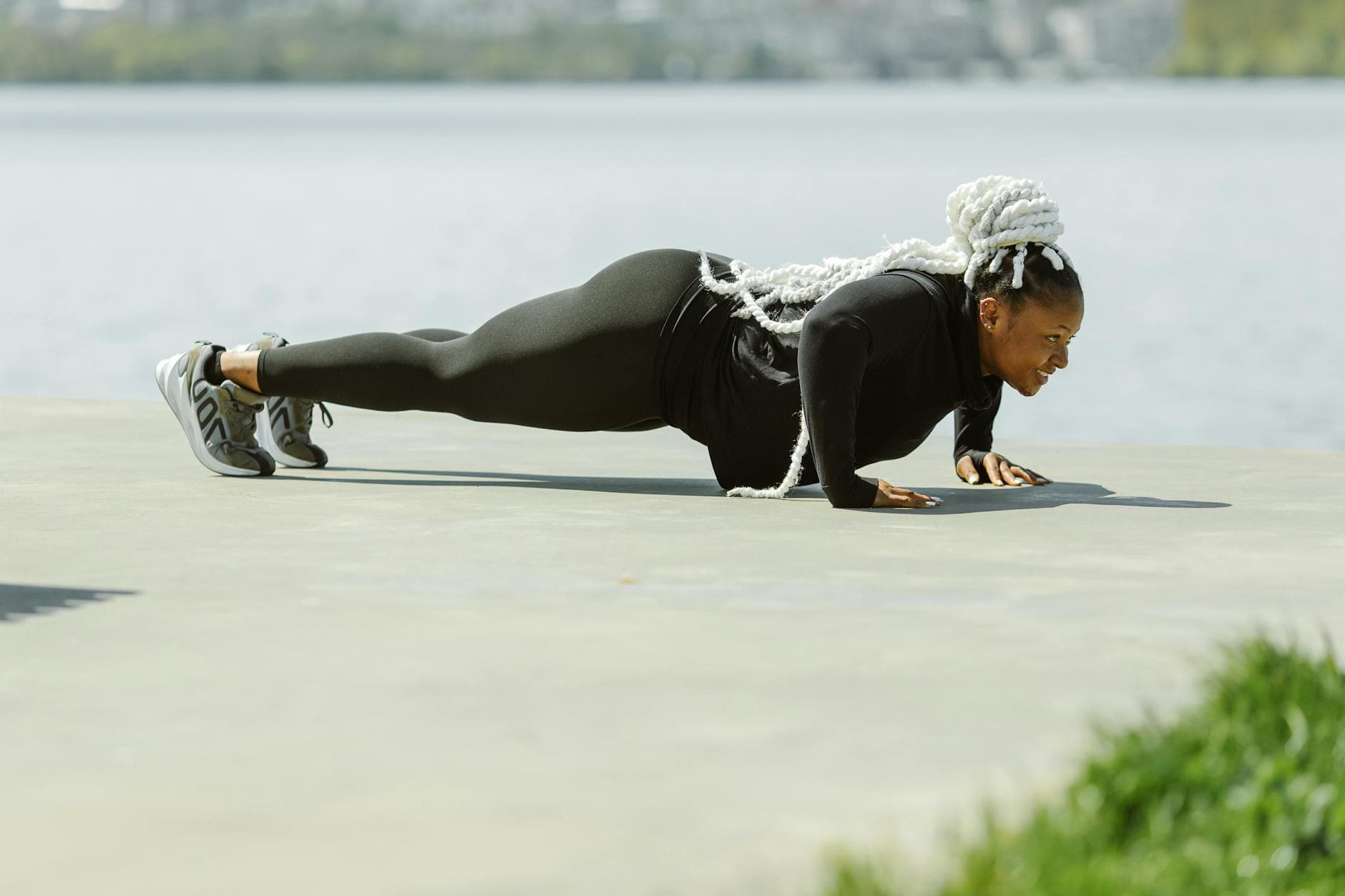
Alright, let's talk about outdoor cardio for beginners. You might think you need fancy gear or a gym membership to get your heart pumping, but honestly, that's a myth. The biggest hurdle for most people starting out with outdoor cardio beginners is just that: believing they need something more than what's already out there. The park, the street, the trail – it's all waiting. And here's the thing: getting fit outside is way more accessible and, dare I say, more enjoyable than being stuck on a machine. Forget the intimidation factor; this is about embracing the fresh air and your own two feet.
The Allure of the Outdoors
There's something undeniably powerful about moving your body in nature. The ever-changing scenery, the feeling of the sun (or even a cool breeze) on your skin, the sounds of birds or just the city hum – it all adds up to a sensory experience a gym just can't replicate. For those dipping their toes into fitness, especially with outdoor cardio beginners in mind, this can be the secret ingredient that keeps you coming back.
Beyond the Gym Walls
You've probably noticed how easy it is to get bored on a treadmill. Every minute feels like ten. Out in the world, though? A walk through your neighborhood can turn into an impromptu exploration. You might discover a new park, a cool street art mural, or just a different perspective on your own town. This element of surprise and discovery is a huge win when you're just starting out and trying to build a consistent habit.

Finding Your Rhythm: Easy Outdoor Workouts
When you're new to cardio, the goal isn't to run a marathon next week. It's about building a foundation, making movement a natural part of your day, and actually enjoying it. That's where these easy outdoor workouts shine.
Walking for Fitness: The Underrated Champion
Let's start with the simplest, most accessible form of cardio: walking. Seriously, don't underestimate the power of a good walk. It's low impact, meaning it's kind to your joints, which is crucial for beginners. You can do it anywhere, anytime, and you can tailor the intensity to your current fitness level.
Getting Started with Your Walks
Begin by aiming for 20-30 minutes, three to four times a week. Focus on maintaining a brisk pace – one where you can talk but not sing. As you get fitter, you can gradually increase the duration, frequency, or even introduce some inclines. Think about the last time you went for a walk just to walk, not to get somewhere. Make that your starting point.
Varying Your Walking Route
To keep things interesting, mix up your walking routes. Explore different neighborhoods, find a local park with some gentle hills, or even walk along a waterfront if you have one nearby. This variety not only prevents boredom but also engages different muscle groups.
Light Jogging Benefits: Stepping It Up
Once walking feels comfortable, you might be ready to introduce some light jogging. This is where the benefits really start to stack up. Light jogging is fantastic for improving cardiovascular health, burning calories, and boosting your mood.
The Walk-Run Method
For cardio for new runners, the walk-run method is your best friend. Start by alternating between one minute of jogging and two minutes of walking. Gradually decrease the walking intervals and increase the jogging intervals over several weeks. So, you might go from 1 minute jog/2 minutes walk, to 1 minute jog/1 minute walk, and so on. This allows your body to adapt without feeling overwhelmed.
Listening to Your Body
This one surprised me when I first started. I thought pushing through pain was the only way. Not true! With light jogging, your focus should be on consistency and avoiding injury. If something feels off, walk. It’s okay. The goal is to build up endurance, not to test your pain threshold.
Cycling for Fun and Fitness
Cycling is another fantastic option for beginner cardio outdoors. It's another low-impact activity that's great for your heart and lungs. Plus, it allows you to cover more ground and see more of your surroundings.
Choosing the Right Bike and Path
If you have a bike, great! If not, consider borrowing one or looking into local bike-sharing programs. For beginners, stick to relatively flat, paved paths or quiet residential streets. Avoid busy roads until you're more comfortable and confident.
Pacing Yourself on the Bike
Start with shorter rides, maybe 30-45 minutes. Focus on a comfortable pedaling cadence – a rhythm that feels sustainable without feeling like you're struggling too much. You can always increase the distance or introduce some gentle hills as your fitness improves.
Making Outdoor Cardio Beginners a Habit
So, you've got some ideas, but how do you make sure this actually sticks? It’s easy to have good intentions, but turning them into consistent action is where the magic happens.
Setting Realistic Goals
When you're tackling outdoor cardio beginners, the biggest mistake is setting yourself up for failure. Forget about trying to be a super athlete overnight. Instead, aim for achievable milestones. Maybe it’s walking for 30 minutes, three times this week. Or perhaps it's trying a short jog-walk session twice. Celebrate these small wins; they build momentum.
Finding a Buddy or Group
Let's be real, sometimes the motivation to get out the door is a lot stronger when someone else is expecting you. Look for a friend who's also interested in getting more active, or see if there are any local walking or beginner running groups. Having an accountability partner can make a huge difference. You might even discover some best spring running trails together!
Embracing the Weather (Within Reason)
This is a big one for outdoor activity. You can't always wait for perfect sunshine. While extreme heat or storms are no-gos, learning to embrace cooler days, light rain, or even crisp autumn air can significantly expand your fitness opportunities. Just make sure you're dressed appropriately. For warmer weather, remember to stay hydrated, and check out resources on spring sports hydration to keep yourself fueled.
The Mental Game
Here's the thing: your mind is often the biggest barrier. When you're feeling tired or unmotivated, remind yourself *why* you started. Think about the energy boost you get after a workout, the improved sleep, or just the sheer satisfaction of accomplishing something for yourself. This mental fortitude is just as important as physical strength.
Beyond the Basics: Expanding Your Outdoor Cardio Horizons
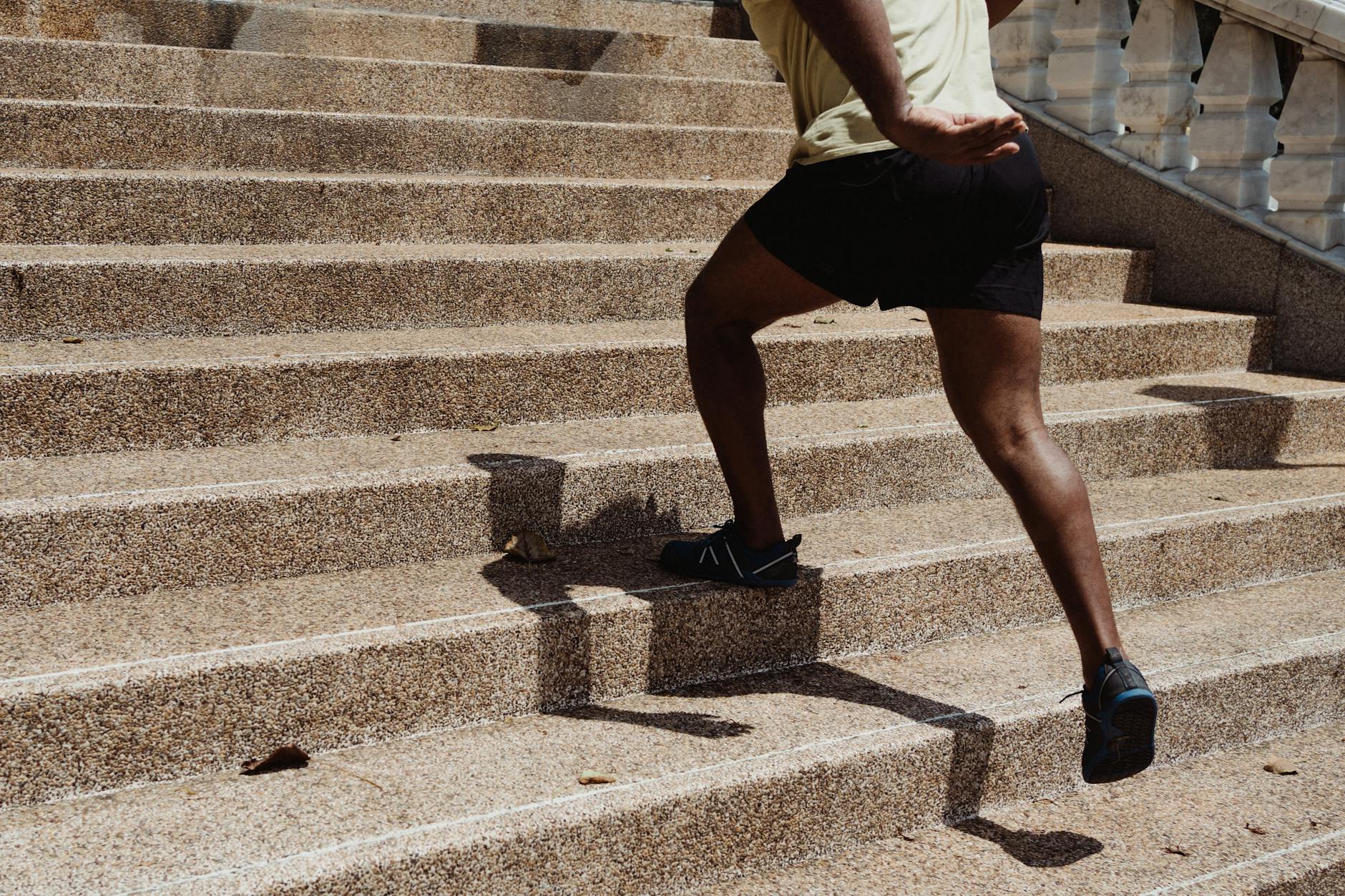
Once you've got a solid foundation with walking and light jogging, there are plenty of other ways to keep your outdoor cardio fresh and exciting.
Exploring Local Trails and Parks
Your local parks and nature preserves are often treasure troves of fitness opportunities. Hiking, even on relatively flat trails, provides a great cardiovascular workout and engages different muscles than pavement. You might find that the uneven terrain challenges your balance and coordination in new ways.
Incorporating Other Activities
Don't limit yourself to just walking or running. Think about other outdoor activities that get your heart rate up. Swimming in a lake or ocean (if accessible and safe), kayaking, or even playing a sport like frisbee or soccer in the park can be fantastic cardio. These variations can prevent boredom and work your body in different ways.
The Unexpected Benefits
I'll be real with you, I used to think outdoor cardio was just about the physical act. But I've learned it's so much more. The mental health benefits are profound. Studies, including those referenced by the Mayo Clinic research on outdoor cardio beginners, highlight how spending time in nature can reduce stress, anxiety, and improve mood. The fresh air and sunlight help regulate your body's natural rhythms, which can lead to better sleep and increased energy levels throughout the day.

Safety First: Essential Tips for Outdoor Exercisers
While the outdoors offers incredible freedom, it's crucial to prioritize your safety. This isn't about scaring you, but about empowering you to exercise confidently.
Be Aware of Your Surroundings
This is paramount for anyone doing outdoor cardio beginners. Whether you're in a park or on a street, pay attention to what's happening around you. If you're running or cycling, be mindful of traffic, pedestrians, cyclists, and any potential hazards on the ground like potholes or uneven surfaces. It’s also a good idea to let someone know where you're going and when you expect to be back, especially if you're venturing into less populated areas.
Dress for Success (and Safety)
Wearing appropriate clothing and footwear is essential. For cardio, comfortable, moisture-wicking clothing is ideal. Good running or walking shoes that fit well can prevent injuries. In lower light conditions – early mornings or evenings – wear bright or reflective clothing so you're visible to others, particularly drivers. If it's hot, lighter colors and breathable fabrics are your friend. And don't forget sunscreen and a hat!
Hydration and Nutrition
Staying hydrated is key, especially when you're exercising outdoors. Carry water with you, even on shorter outings, and sip it regularly. For longer workouts, consider an electrolyte drink. Proper nutrition also plays a role. You don't need a full meal before a short walk, but having some healthy snacks on hand for longer adventures, like those suggested in hiking energy snacks, can be a lifesaver.
Know Your Limits
Listen to your body. If you feel dizzy, nauseous, or experience sharp pain, stop. It's better to cut a workout short than to push through and risk injury or a more serious health issue. You can always try again another day. The Centers for Disease Control and Prevention research on outdoor cardio beginners emphasizes the importance of starting slowly and gradually increasing intensity and duration.
Embrace the Journey
Getting started with outdoor cardio doesn't need to be complicated or intimidating. It's about making a conscious choice to move your body in a way that feels good, in an environment that's often more stimulating and rewarding than any indoor space. Whether it's a brisk walk around the block, a gentle jog through the park, or a leisurely bike ride, the benefits are immense. You're not just improving your physical health; you're investing in your mental well-being, connecting with nature, and discovering a newfound sense of freedom. So, lace up those shoes, step outside, and let the adventure begin. You might just surprise yourself with what you can achieve.