What if you could quiet that persistent ache in your joints, or shake off the brain fog that’s become an unwelcome companion? Imagine waking up feeling truly refreshed, your digestion humming along happily, and your energy levels steady throughout the day. For so many of us, these aren't just dreams; they're possibilities waiting to be unlocked, often right in our own kitchens, through the power of anti inflammatory recipes.
I know, I know. It sounds almost too simple, doesn't it? Like some kind of magic bullet. But here's the thing: inflammation, especially chronic inflammation, isn't some abstract medical term. It's a real, physical process happening inside your body, and it impacts everything from your mood to your immune system. The good news? We have incredible power to influence it with the food choices we make, turning our meals into potent medicine.
Unmasking the Silent Saboteur: Understanding Inflammation
For years, I used to think inflammation was just what happened when I sprained an ankle – swelling, redness, pain. And yes, that's acute inflammation, a necessary part of healing. Your body sends out its repair crew. But what about the kind that lingers, unseen and unfelt until it manifests as something more serious? That's chronic inflammation, and it's a sly, persistent troublemaker.
The Low Hum of Chronic Inflammation
Think of chronic inflammation as a low-grade fire smoldering silently inside you, day in and day out. It doesn't always hurt in an obvious way, but it chips away at your health, damaging cells and tissues over time. This persistent state is linked to just about every major chronic disease you can name: heart disease, diabetes, autoimmune conditions, even certain cancers. It’s why understanding foods that cause inflammation is so crucial.
You might be wondering, what does this actually feel like? Honestly, it can be subtle. Maybe you've noticed persistent fatigue, unexplained aches, digestive issues, skin problems, or just a general sense of not feeling your best. These can all be whispers of chronic inflammation, gently nudging you to pay attention.
The Hidden Triggers in Our Modern Lives
Our modern lifestyle, bless its convenient heart, often throws fuel onto this inflammatory fire. Processed foods, excessive sugar, unhealthy fats, chronic stress, lack of sleep, and even exposure to environmental toxins all contribute. It's a perfect storm for our bodies, which are biologically designed for a different world.
Look, I'll be real with you: it's not always easy to avoid these triggers entirely. We live in a world filled with temptations and demands. But recognizing what feeds the fire is the first powerful step towards extinguishing it. It's about making conscious choices, not about achieving impossible perfection.
Why Diet is Your First Line of Defense
This is where your kitchen becomes your personal pharmacy. The food you eat literally provides the building blocks for your cells, and it also sends signals to your body. Certain foods scream "Inflammation! More please!", while others whisper "Calm down, everything's going to be okay." This is the core principle behind an anti inflammatory diet, which is truly a lifestyle change.
Shifting your diet towards anti-inflammatory foods isn't just about avoiding the bad stuff; it's about actively flooding your body with nutrients that fight inflammation. It's empowering to know that with every meal, you're making a choice that supports your long-term health, rather than detracting from it. It's a proactive approach that puts you in control.
Your Kitchen: A Sanctuary of Healing with Anti Inflammatory Recipes
Don't let the idea of an "anti-inflammatory diet" intimidate you. It's not about deprivation; it's about abundance. It's about discovering delicious, vibrant foods that make you feel incredible. And honestly, some of the best anti inflammatory recipes are also the simplest.
The Core Principles of an Anti-Inflammatory Kitchen
Think of your plate as a canvas. You want to paint it with a rainbow of colors, mostly from plants. The foundation of any good anti-inflammatory diet is whole, unprocessed foods. We're talking fresh fruits and vegetables, whole grains, lean proteins, and healthy fats. This kind of eating aligns beautifully with the well-researched Mayo Clinic research on anti inflammatory recipes, emphasizing plant-forward approaches.
Focus on variety. Different plants offer different phytonutrients, all working synergistically to cool inflammation. Don't get stuck in a rut eating the same few things. Experiment! Try a new vegetable each week. You might surprise yourself with what you discover.
Building Your Anti-Inflammatory Foods List
So, what exactly should you be stocking up on? Here's a quick hit list of anti-inflammatory foods that should become staples in your pantry and fridge:
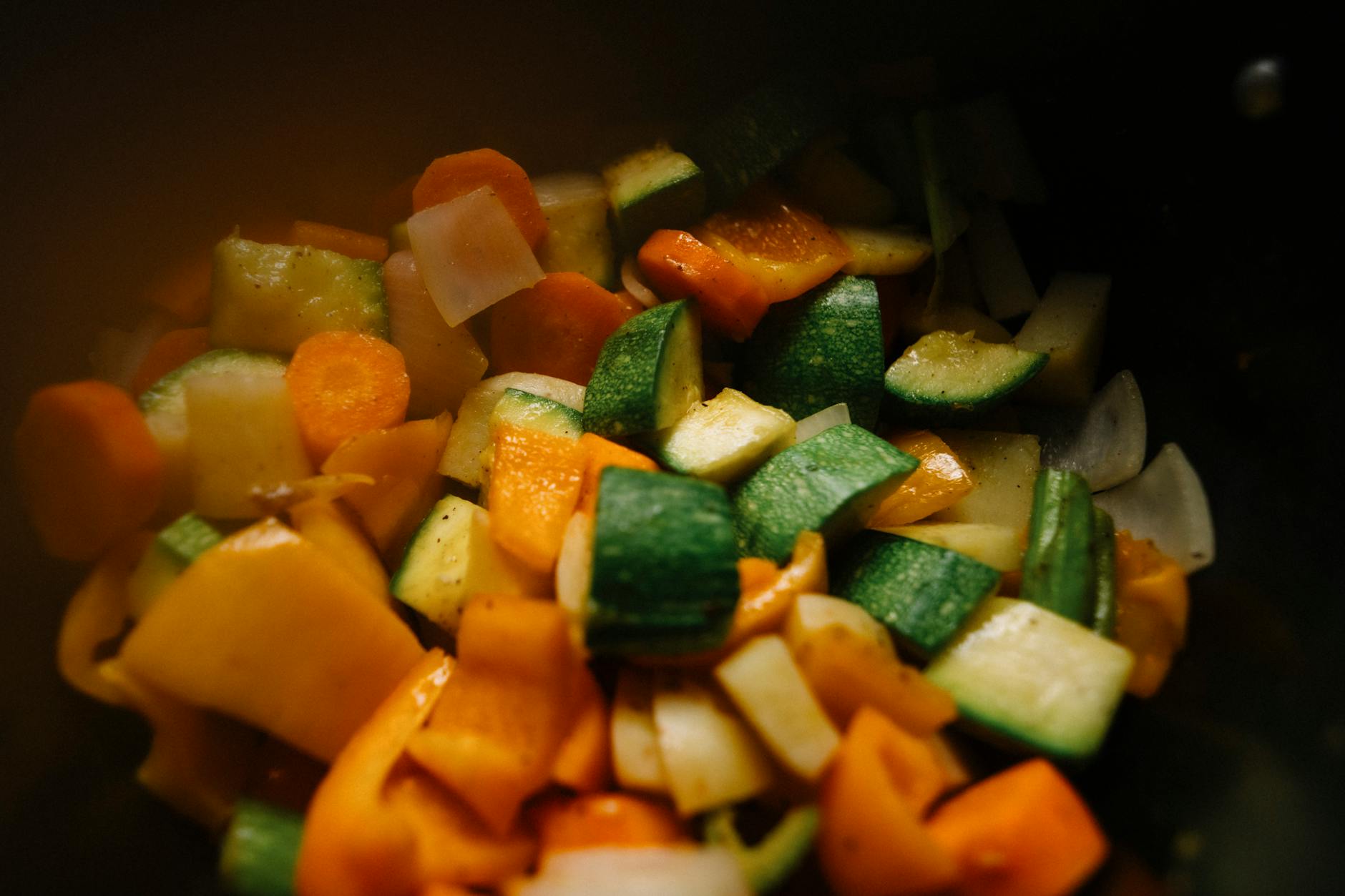
- Colorful Fruits & Veggies: Berries (especially blueberries, raspberries), leafy greens (spinach, kale), broccoli, bell peppers, tomatoes, cherries, oranges. These are packed with antioxidants.
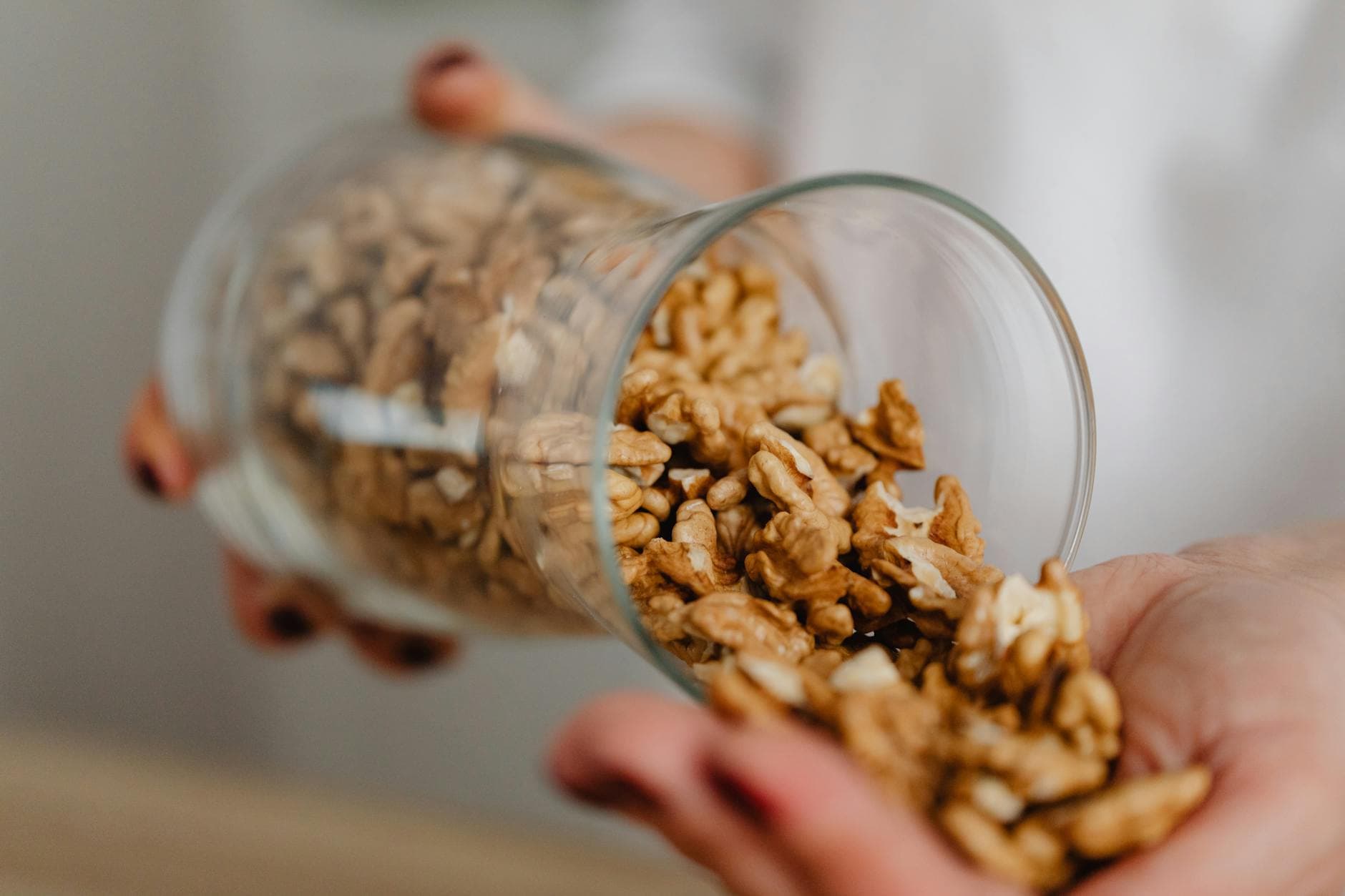
- Omega-3 Rich Foods: Fatty fish like salmon, mackerel, sardines, and anchovies. Also flaxseeds, chia seeds, and walnuts. These healthy fats are inflammation fighters.
- Whole Grains: Oats, brown rice, quinoa, barley. Opt for truly whole grains, not processed "whole grain" products.
- Legumes: Beans, lentils, chickpeas. Great sources of fiber and plant-based protein.
- Healthy Fats: Extra virgin olive oil, avocados, nuts, seeds.
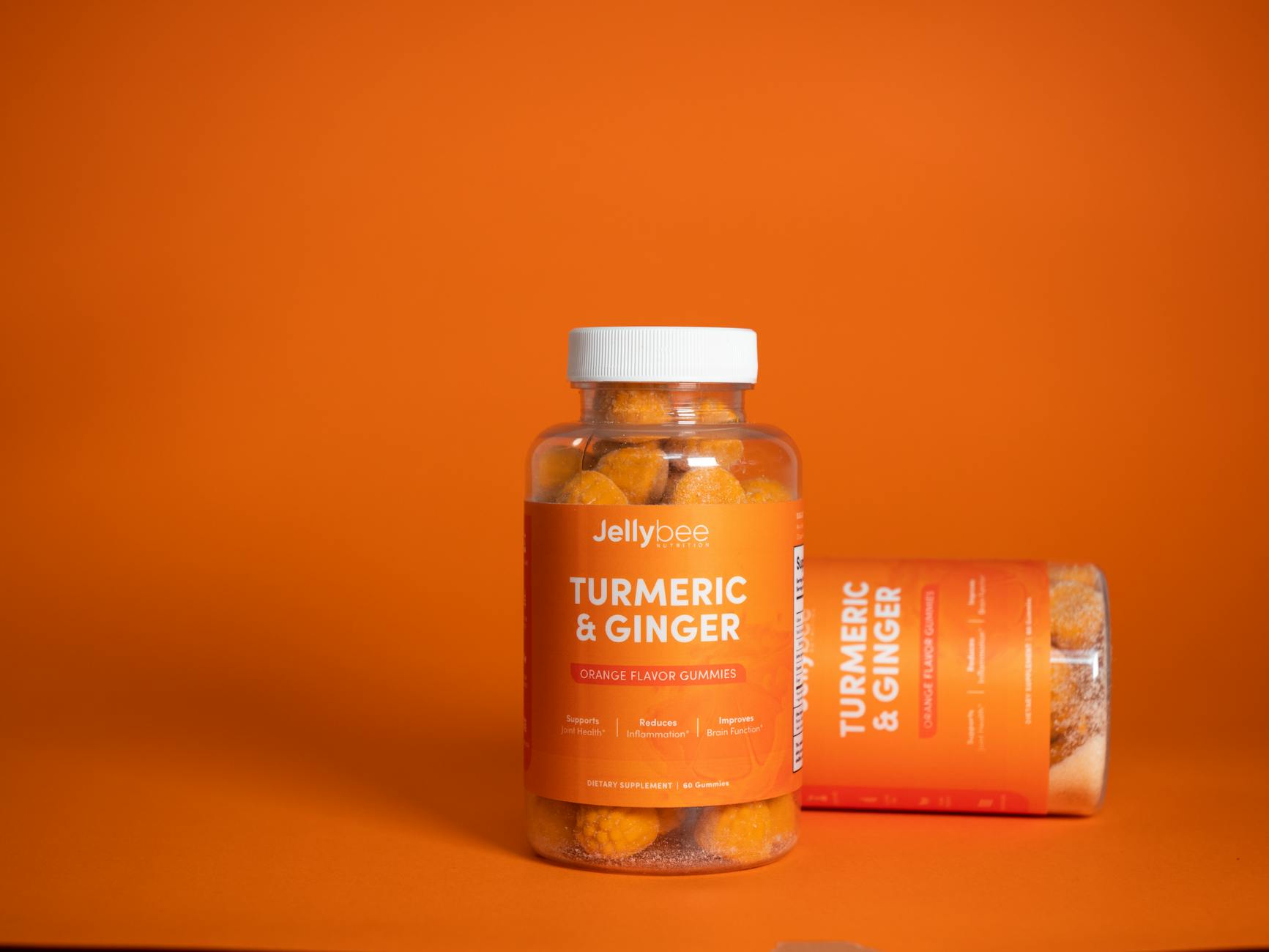
- Spices: Turmeric (with black pepper for absorption), ginger, garlic, cinnamon, rosemary. These are powerful anti-inflammatory agents.
This list isn't exhaustive, of course, but it gives you a solid starting point. Think of it as your grocery store cheat sheet for healthy anti inflammatory recipes.
Simple Swaps for Big Impact
You don't have to overhaul your entire diet overnight. Small, consistent changes add up to huge results. Instead of white bread, try whole-grain sourdough. Swap out your sugary soda for infused water or green tea. Replace that processed snack bar with a handful of walnuts and berries.
One simple change I made years ago that truly surprised me was switching from vegetable oil to extra virgin olive oil for most of my cooking. The flavor was richer, and I knew I was giving my body a healthy fat instead of one that could contribute to inflammation. These are the kinds of easy anti inflammatory recipes strategies that make a real difference.
Easy Anti Inflammatory Recipes to Start Your Journey
Let's get practical! You're probably thinking, "Okay Lisa, but what do I *actually eat*?" That's a fair question. The beauty of anti-inflammatory eating is that it's incredibly versatile and delicious. You don't need fancy ingredients or complex techniques to make quick anti inflammatory meals.
Breakfast Boosters: Fueling Your Day Right
Starting your day with an anti-inflammatory meal sets the tone. Forget sugary cereals or greasy bacon. Think nourishing and energizing.
- Berry & Spinach Smoothie: Blend a cup of mixed berries (frozen is fine!), a handful of spinach, a scoop of plant-based protein powder, a tablespoon of chia seeds, and unsweetened almond milk. This is one of my go-to easy anti inflammatory recipes.
- Turmeric Oatmeal: Cook rolled oats with water or unsweetened plant milk. Stir in a pinch of turmeric, a dash of cinnamon, and a few walnuts. Top with fresh fruit. Turmeric benefits are huge here!
These options are not only quick and easy but also pack a powerful punch of antioxidants and fiber, keeping you full and focused.
Lunchtime Legends: Quick & Satisfying Meals
Midday meals can be tricky, especially if you're busy. But healthy anti inflammatory recipes don't have to take ages.
- Giant Salad with Salmon or Chickpeas: Load up a bowl with dark leafy greens. Add chopped cucumbers, bell peppers, cherry tomatoes, and avocado. Top with grilled salmon or roasted chickpeas for protein. Dress with olive oil and lemon juice.
- Leftover Lentil Soup: Make a big batch of lentil soup (packed with veggies and warming spices like ginger and turmeric) on the weekend, and you have quick anti inflammatory meals ready for the week. This is a lifesaver, especially on colder days.
My trick? Always make a little extra dinner the night before. Leftovers are your best friend for healthy, anti-inflammatory lunches.
Anti Inflammatory Dinner Recipes for Every Night
Dinner is often where we can get creative and truly enjoy the process of cooking. These anti inflammatory dinner recipes are crowd-plepleasing and nourishing.
Mediterranean-Inspired Salmon Bake
This one is a staple in my house. Lay salmon fillets on a baking sheet with cherry tomatoes, sliced zucchini, red onion, and Kalamata olives. Drizzle generously with extra virgin olive oil, sprinkle with dried oregano, salt, and pepper. Bake at 400°F (200°C) for 15-20 minutes until the salmon is flaky and veggies are tender. Serve with a side of quinoa. It's a perfect example of Mediterranean diet recipes in action.
Turmeric-Spiced Lentil Soup
Sauté chopped onions, carrots, and celery in olive oil. Add red lentils, vegetable broth, diced tomatoes, and a generous amount of turmeric, ginger, and cumin. Simmer until lentils are tender. Finish with a squeeze of lemon juice and fresh cilantro. This hearty soup is not only budget-friendly but also a powerhouse of anti-inflammatory goodness, tapping into the incredible Centers for Disease Control and Prevention research on anti inflammatory recipes for promoting overall wellness.
Vibrant Veggie Stir-Fry
Heat a wok or large skillet with a tablespoon of sesame oil. Add chopped broccoli, bell peppers, snap peas, and mushrooms. Stir-fry for a few minutes. Whisk together soy sauce (or tamari), a splash of rice vinegar, a teaspoon of grated ginger, and a minced garlic clove. Pour over the veggies and cook until slightly thickened. Serve over brown rice or quinoa. For an extra boost, add some edamame for plant-based protein.
Beyond the Plate: Lifestyle for Lasting Change
While anti inflammatory recipes are a cornerstone, true healing and sustained well-being encompass more than just what's on your plate. It’s a holistic approach, a dance between nutrition, movement, and mental peace.
The Gut Connection: Why It Matters So Much
Honestly, you can't talk about inflammation without talking about your gut. Your gut health is intimately linked to your immune system and, by extension, your inflammatory response. A healthy gut lining acts as a barrier, preventing inflammatory substances from entering your bloodstream. When that barrier is compromised, it can contribute to systemic inflammation.
This is why focusing on Improve Gut Health: Simple Steps for a Healthier You Today! is so vital. Incorporating fermented foods like kimchi, sauerkraut, and kefir (or plant-based alternatives) is key. Check out a good probiotic foods list to get started. These foods feed the beneficial bacteria in your gut, creating a happier, healthier internal environment.
Movement and Mindfulness: More Than Just Food
Think about the last time you went for a brisk walk or practiced some deep breathing. Didn't you feel a sense of calm wash over you? Regular, moderate exercise is a powerful anti-inflammatory tool. It helps reduce stress, improves circulation, and even encourages the production of anti-inflammatory compounds in your body. You don't need to become a marathon runner; even 30 minutes of walking most days can make a difference.
Stress, on the other hand, is a known inflammation trigger. Finding ways to manage it, whether through meditation, spending time in nature, or simply taking a few moments of quiet reflection each day, is incredibly important. The World Health Organization research on anti inflammatory recipes often highlights the interconnectedness of diet, lifestyle, and overall health.
Consistency, Not Perfection: My Own Journey
I've been on this journey for years, and I can tell you, it's not always perfect. There are days when I eat something I know isn't ideal, or I skip a workout. And that's okay! The goal isn't to be a robot; it's to consistently make choices that move you towards better health. It's about progress, not perfection.
Small, sustainable changes are far more effective than drastic overhauls that you can't maintain. Start by incorporating one new anti inflammatory recipe each week, or swap one inflammatory food for a healthier alternative. Celebrate those small victories. They build momentum.
So, what if you started today? What if you chose to nourish your body, to quiet the inflammation, and to truly feel your best? The power is in your hands, in your choices, and in the delicious, healing potential of anti inflammatory recipes. It's a journey worth taking, and I promise, your body will thank you for it.