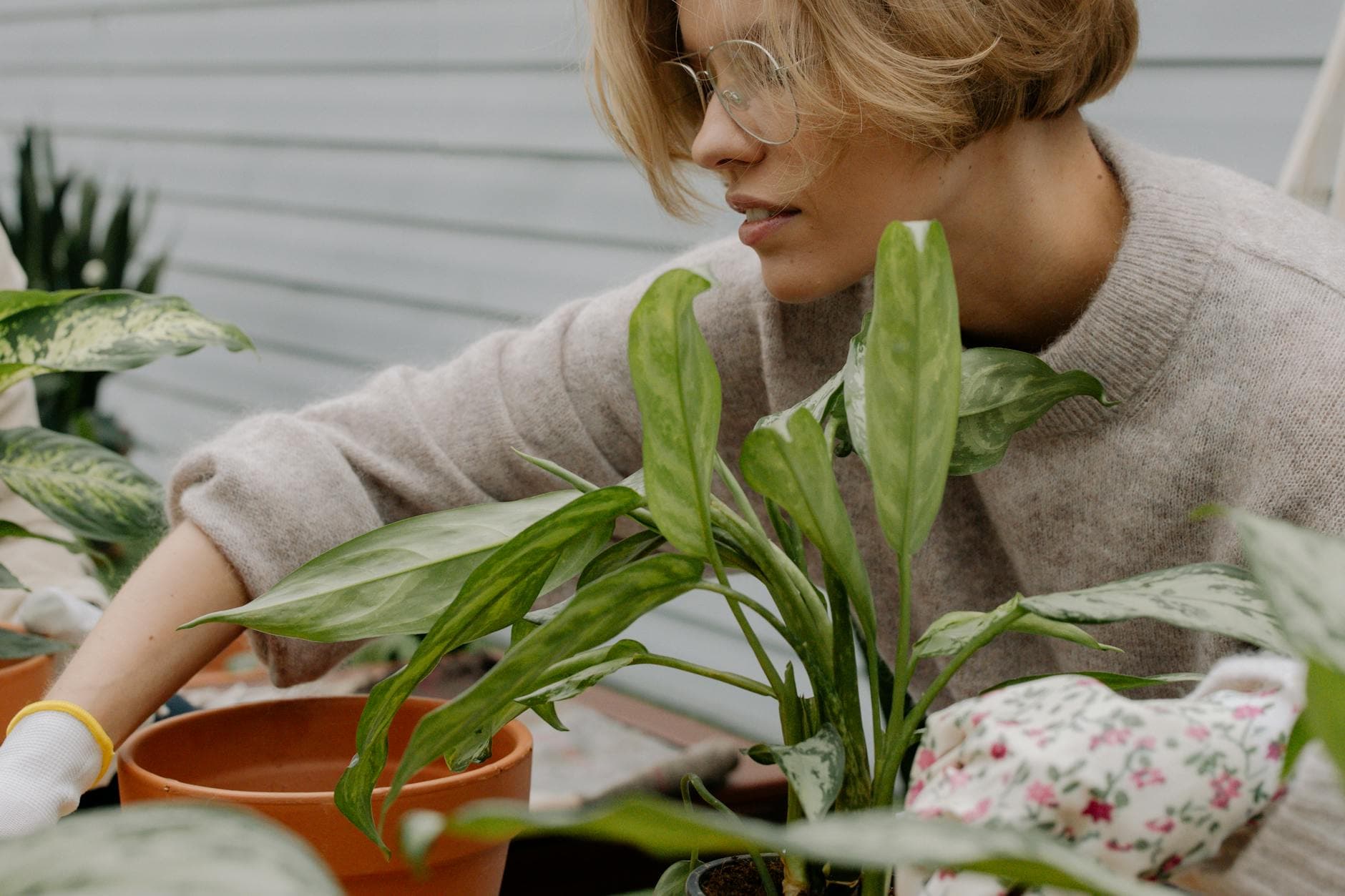
You think you know stress relief? Think again. We've been told for years to meditate, to breathe deeply, to hit the gym. All valid, sure. But what if I told you the most potent stress-buster might be literally dirt under your fingernails? I'm talking about gardening for stress relief, and honestly, it's a revelation. It's not just a quaint hobby for retirees; it's a powerful, accessible, and profoundly effective tool for reclaiming your peace in a chaotic world. I used to think gardening was for people with vast estates and endless free time, but that couldn't be further from the truth. This is for everyone, right now.
The Unexpected Power of Putting Your Hands in the Earth
It's easy to dismiss gardening as a passive activity, something to fill quiet afternoons. But the science, and frankly, my own experience, tells a different story. There's a deep, primal connection we have to the earth, one that modern life has largely severed. Reconnecting with it, even in a small way, can have a profound impact on our mental well-being. It’s about more than just pretty flowers or fresh tomatoes; it's about a tangible, sensory experience that grounds us.
Digging Up Calm: The Science Behind the Green Thumb
Did you know that soil itself contains beneficial bacteria, like Mycobacterium vaccae, that can actually act as natural antidepressants? It sounds wild, right? Research published by institutions like the National Institutes of Health research on gardening for stress relief has explored this fascinating link, suggesting that exposure to these microbes can boost serotonin levels in the brain, leading to a calmer, happier state. It's like a natural mood enhancer, straight from the ground!
Beyond Serotonin: A Multitude of Mental Health Benefits
The mental health gardening benefits extend far beyond just mood elevation. It’s a holistic practice. The repetitive, rhythmic motions involved in planting, weeding, and watering can induce a meditative state. This is where mindful gardening techniques come into play, allowing you to focus on the present moment, pushing aside anxieties about the past or worries about the future. Think about the last time you were truly lost in a task, your mind quiet and focused. Gardening offers that, but with the added bonus of tangible results.
Spring Gardening for Beginners: Your Gentle Introduction
If you're new to this, the idea of starting a small garden might seem daunting. But here's the thing: spring gardening for beginners is incredibly forgiving. The season is all about new beginnings, growth, and vibrant energy, mirroring what you hope to cultivate within yourself. You don't need acres of land. A few pots on a balcony, a small raised bed, or even a sunny windowsill can be your starting point. This is your invitation to embrace beginner gardening hobby without any pressure.
Gardening for Stress Relief: More Than Just a Hobby
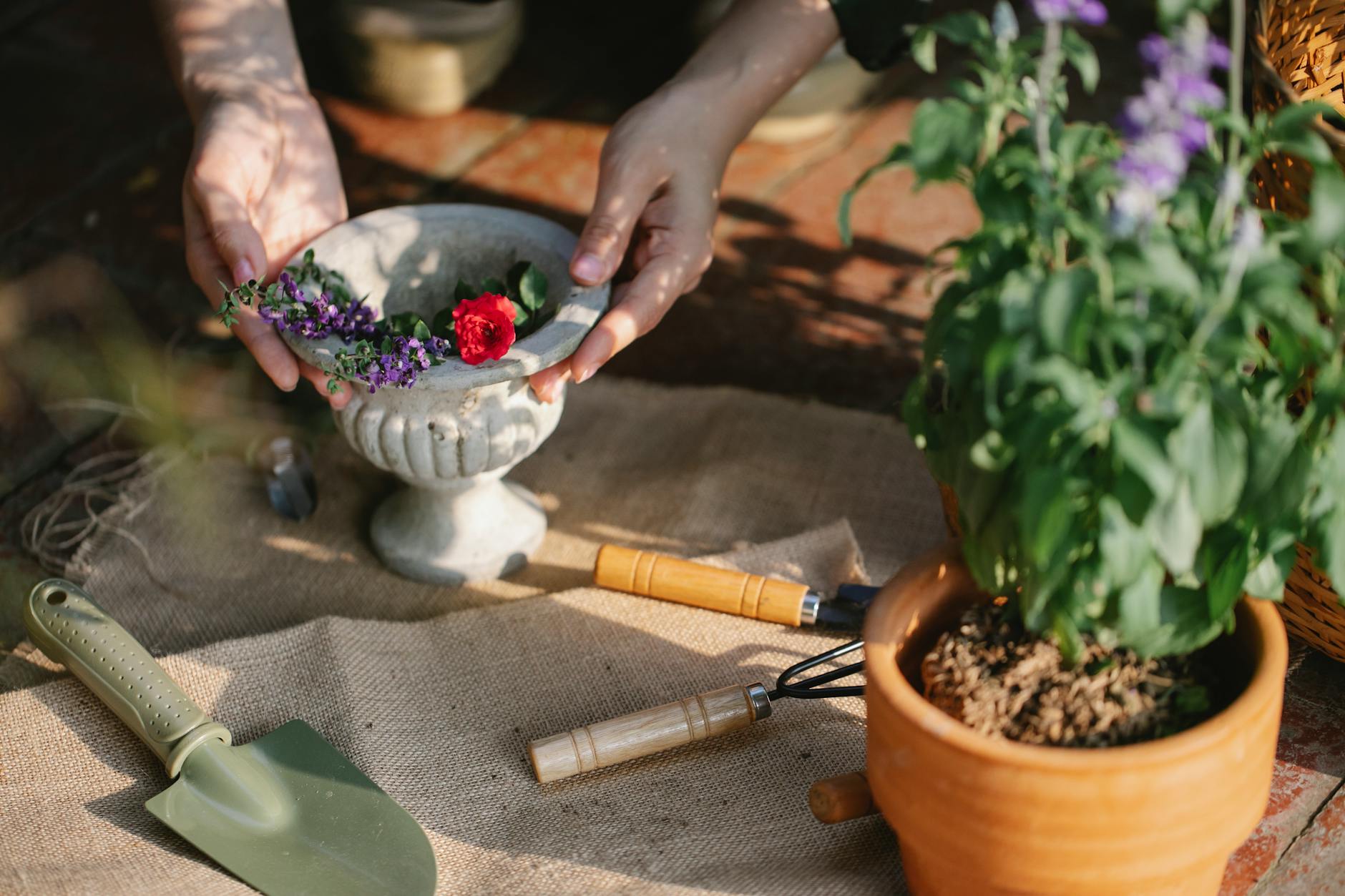
Let's be clear: this isn't just about finding a way to pass the time. Gardening for stress relief is an active engagement with nature that yields significant psychological rewards. It's a form of nature therapy gardening, bringing the restorative power of the outdoors directly into your life, whether you have a sprawling yard or a compact urban space. The act of nurturing life, of watching something grow from a tiny seed into a thriving plant, is incredibly empowering.
Cultivating Calm: Stress Relief Gardening Tips for Everyone
So, how do you actually harness this power? It starts with intention.
Start Small, Dream Big
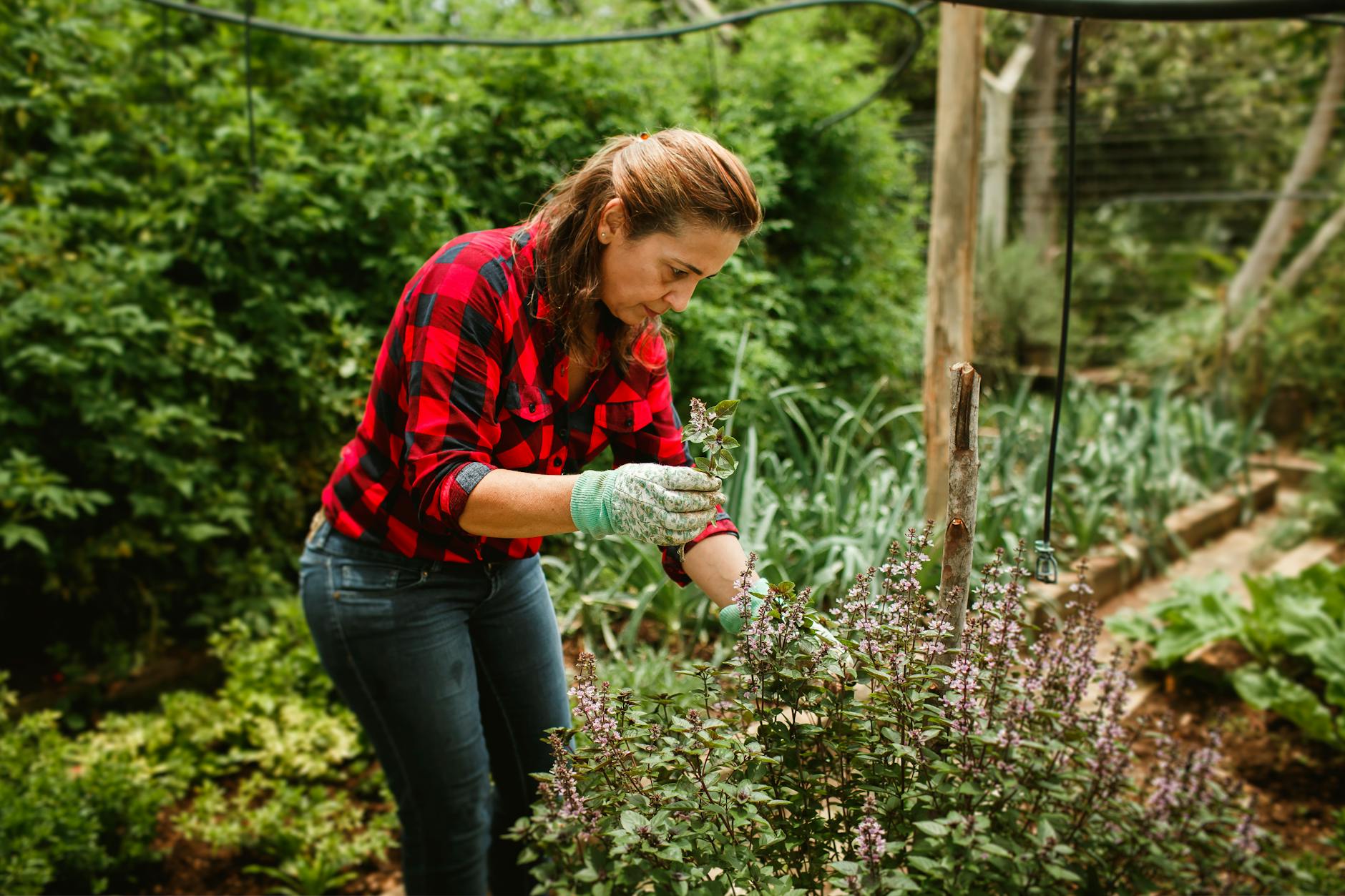
Don't try to create the next botanical garden overnight. Begin with a few easy-to-grow plants. Herbs like mint and basil are wonderfully rewarding and perfect for a beginner gardening hobby. Vegetables like radishes and lettuce also grow quickly, offering immediate satisfaction. This is about building confidence, not overwhelming yourself.
Embrace the Mess
This is a DIY stress relief project where perfection is not the goal. Get your hands dirty. Feel the soil. Don't worry about perfectly manicured beds initially. The tactile experience is part of the therapy. Honestly, a little mud is good for the soul.
Find Your Rhythm
Pay attention to the simple, repetitive actions: watering, pruning, deadheading. These can become anchors for your attention, much like a mantra in meditation. This is where mindful gardening techniques truly shine. You can even explore Spring Reset Journal Prompts for Inner Peace & Renewal after a session to process your thoughts and feelings.
Connect with the Season
Seasonal gardening for wellness means working with nature's cycles. In spring, it’s about preparing the soil, sowing seeds, and watching for those first shoots. It's a beautiful metaphor for personal growth and renewal. This is a fantastic time for spring gardening for beginners as everything is coming back to life.
The Sensory Symphony of Your Garden
Close your eyes for a moment and imagine. The smell of damp earth after a rain. The gentle rustle of leaves in the breeze. The vibrant colours of blooming flowers. The taste of a sun-warmed tomato plucked straight from the vine. These sensory inputs are powerful. They pull you out of your head and into the physical world. This is a key aspect of the benefits of plants for mental health; they engage all our senses in a gentle, restorative way.

The Tangible Rewards: Growing More Than Just Plants
One of the most surprising aspects of gardening for stress relief is the sheer tangibility of the rewards. In a world where so much of our work is digital and often intangible, the ability to nurture something from a tiny seed into a flourishing plant is incredibly grounding. You can literally see and feel your efforts paying off. It's a powerful antidote to feelings of helplessness or overwhelm.
Growing Vegetables for Relaxation and Nourishment
For me, growing vegetables for relaxation has been a game-changer. There’s a unique satisfaction in harvesting food that you’ve grown yourself. It’s not just about saving money; it’s about a direct connection to your food source and the incredible feeling of self-sufficiency. Even a small pot of cherry tomatoes or a bunch of fresh basil can bring immense joy and a sense of accomplishment. This makes the beginner gardening hobby even more rewarding.
Your Personal Oasis: Creating a Space for Peace
Your garden, no matter its size, can become your personal sanctuary. It’s a space where you can escape the demands of daily life and simply be. This is where outdoor activities for anxiety truly come into their own. The act of tending to your plants can be a form of active meditation, allowing your mind to quiet down. It’s a place to reconnect with yourself and with nature. Think about how a restful bedroom environment can impact your sleep; your garden can have a similar, albeit more active, restorative effect on your waking hours. This is part of the broader Spring Self Care: Boost Mental & Emotional Well-being Now, focusing on tangible, nature-based activities.
Beyond the Bloom: Long-Term Mental Health Gardening Benefits
The positive effects of gardening for stress relief don't disappear when you leave the garden. The sense of accomplishment, the increased physical activity, and the improved mood can carry over into the rest of your life. Regular engagement with nature has been linked to reduced symptoms of depression and anxiety. It’s a sustainable practice that builds resilience over time. The World Health Organization World Health Organization research on gardening for stress relief has highlighted these broader public health implications.
Getting Started: Your First Steps into the Garden
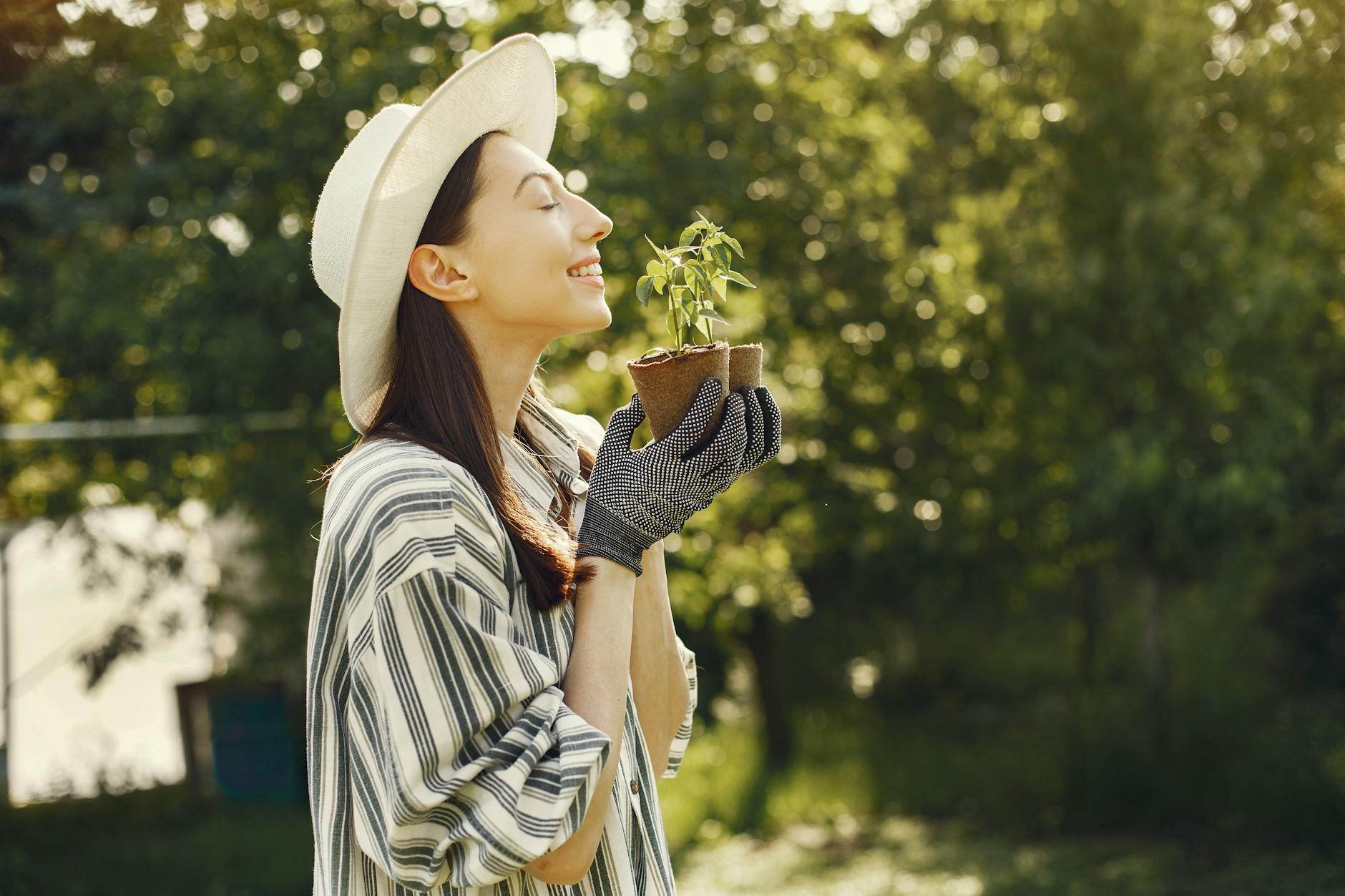
Perhaps you're feeling inspired, but still a little hesitant. That's completely normal. Starting a small garden doesn't require a huge investment of time or money. It’s about taking that first step, embracing the process, and allowing yourself to discover the joy and peace that gardening for stress relief can bring. This is your chance to try a new, fulfilling beginner gardening hobby.
Choosing Your First Plants: Keep it Simple
For spring gardening for beginners, I always recommend starting with plants that are known for their resilience and ease of care.
Herbs are your friend.
Basil, mint, chives, and parsley are incredibly forgiving and provide immediate gratification. Plus, they smell amazing!
Quick-growing vegetables.
Lettuce, spinach, radishes, and peas can often be harvested within a few weeks, giving you that crucial early win.
Easy-care flowers.
Marigolds, zinnias, and sunflowers are bright, cheerful, and relatively low-maintenance, adding a splash of color to your space.
Essential Tools for the Budding Gardener
You don't need a shed full of fancy equipment. A few basic tools will get you started:
- A trowel for digging and planting.
- A hand fork for loosening soil.
- A watering can or hose with a gentle spray nozzle.
- Gardening gloves to protect your hands.
Making Time for Your Green Sanctuary
Here's the thing: even 15-20 minutes a few times a week can make a difference. It's about consistency, not marathon sessions. Schedule it in if you have to. Treat it like an important appointment with yourself. This is how you build a sustainable practice of gardening for stress relief into your life. It’s a form of self-care that nourishes both your mind and your connection to the natural world. Consider how improving your sleep quality is vital for overall well-being; tending to your garden can contribute to that by reducing stress. You might find yourself sleeping better naturally, and you can explore tips for a Restful Bedroom Environment: Spring Sleep Sanctuary Tips to complement your efforts.
So, the next time you feel the weight of the world pressing down, consider the humble garden. It’s more than just soil and seeds; it’s a pathway to peace, a source of resilience, and a profound connection to something larger than ourselves. Give it a try. Your mind will thank you.