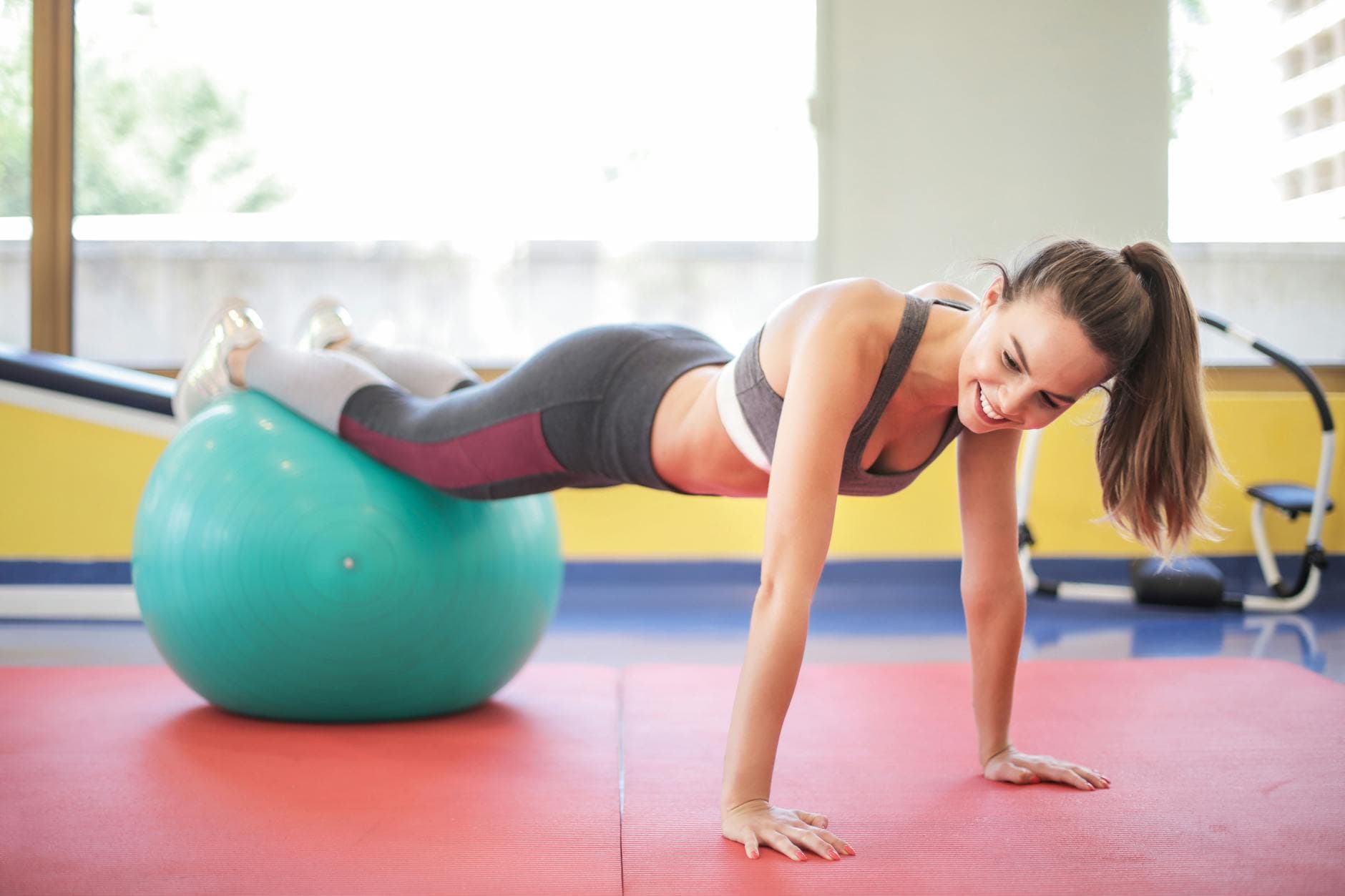
I'll be real with you for a moment: I used to think core strength was all about a visible six-pack. Flex, see the lines, feel good, right? That was my younger, less experienced self talking. I spent years chasing that aesthetic, grinding through endless crunches and sit-ups, only to find myself with a nagging lower back ache and a frustrating plateau in my big lifts. It wasn't until I hit a wall, literally, after trying to push a heavy sled and feeling my midsection just *give out*, that I truly understood the profound, foundational power of legitimate core strength workouts. This isn't just about looking good; it's about moving better, feeling stronger, and building a body that supports you in every single thing you do.
My discovery wasn't a sudden epiphany, but a slow, fascinating unraveling of what the "core" truly means. It’s not just your abs; it’s a complex network of muscles that act as your body’s powerhouse, stabilizing your spine and connecting your upper and lower body. When you start to actually train it right, focusing on true core strengthening exercises, everything else in your fitness journey levels up.
Beyond the Six-Pack: What Your Core Really Is
We've all seen the magazine covers, the perfectly sculpted abdominals that scream "strong core." But honestly, that's just one small piece of a much larger, more incredible puzzle. Your core is a 360-degree muscular corset, a dynamic system that wraps around your entire midsection. It’s what keeps you upright, allows you to twist, bend, and move with power and grace.
Defining the True Core Muscles
Think of your core not as a single muscle group, but as an intricate team working in concert. The famous rectus abdominis, those "six-pack" muscles, are certainly part of it, but they're primarily responsible for flexion – think crunching forward. Far more critical for stability are your transverse abdominis, which acts like a natural weightlifting belt; your internal and external obliques, vital for rotation and lateral flexion; and your erector spinae, multifidus, and quadratus lumborum in your lower back. These deep stabilizing muscles, often overlooked, are the unsung heroes of a strong core routine.
Why a Strong Core Matters More Than You Think
Look, a robust core isn't just for athletes or gym fanatics. It’s fundamental for simply existing comfortably. It dramatically reduces your risk of lower back pain, a pervasive issue for so many people today, enabling better posture exercises. A strong core also acts as the central pillar for all your movements, whether you're picking up groceries, swinging a golf club, or performing a heavy squat. It prevents energy leaks and ensures efficient transfer of power throughout your body. I've seen countless clients, from desk workers to weekend warriors, transform their daily comfort and performance just by prioritizing functional core training.
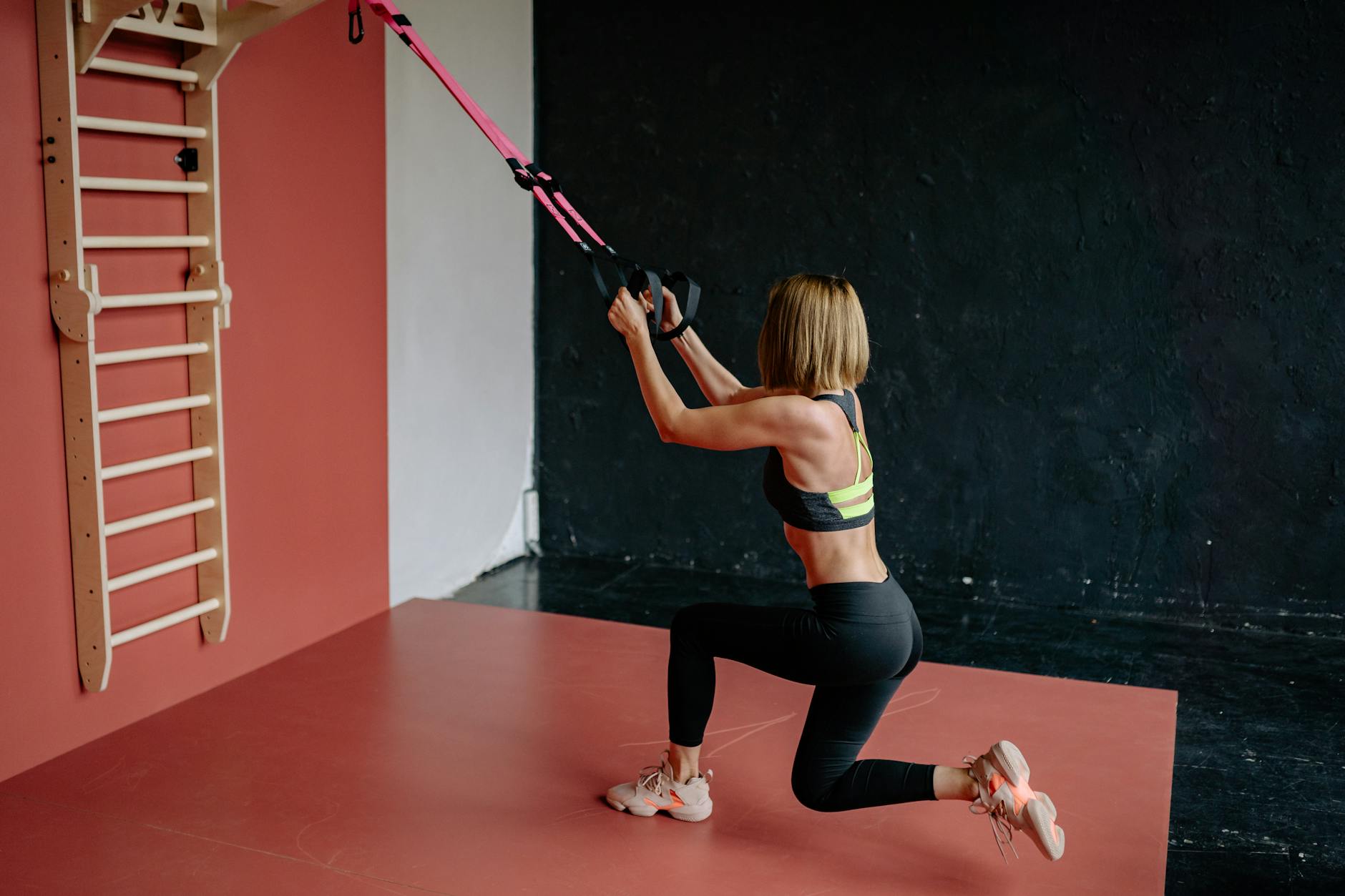
The Core Strength Workout Mistakes You're Probably Making
Here's the truth that nobody tells you: many of the common "best core workouts" you see online or in old-school gym routines are actually missing the point entirely. They often focus too much on superficial muscles and ignore the deep stabilizers, leading to imbalances and potential injury. I used to fall into this trap myself, thinking more reps of crunches meant a stronger core. Boy, was I wrong.
The Crunch Trap: Why Quantity Doesn't Equal Quality
For years, the crunch and sit-up were king. We were told to do hundreds of them, burning out our rectus abdominis until it screamed. But here’s the thing: while crunches do work your superficial abs, they don't do much for deep core stability or rotational strength. Over-reliance on them can even exacerbate postural issues and put undue stress on your lower back. Honestly, if you're still doing 500 crunches a day, you might be wondering why your back still aches. It's because you're missing the bigger picture of true abdominal strength exercises.
Neglecting the Back and Obliques
Many people hyper-focus on the front of their body and completely forget the posterior chain and the sides. Your core is 360 degrees, remember? Neglecting your lower back muscles, your glutes, and your obliques is like trying to build a house with only three walls. You simply won't have the stability or strength you need. Building a truly strong core routine means embracing exercises that challenge your body's ability to resist rotation, flexion, and extension, engaging *all* those crucial muscle groups.
My Go-To Core Strength Workouts: Exercises That Actually Work
Alright, enough with what *not* to do. Let’s talk about the movements that deliver real results, the ones that build that deep, resilient strength you're after. These are the core strengthening exercises I swear by, the ones that transformed my own body and countless others.
Mastering Stability: Plank Variations and Anti-Rotation
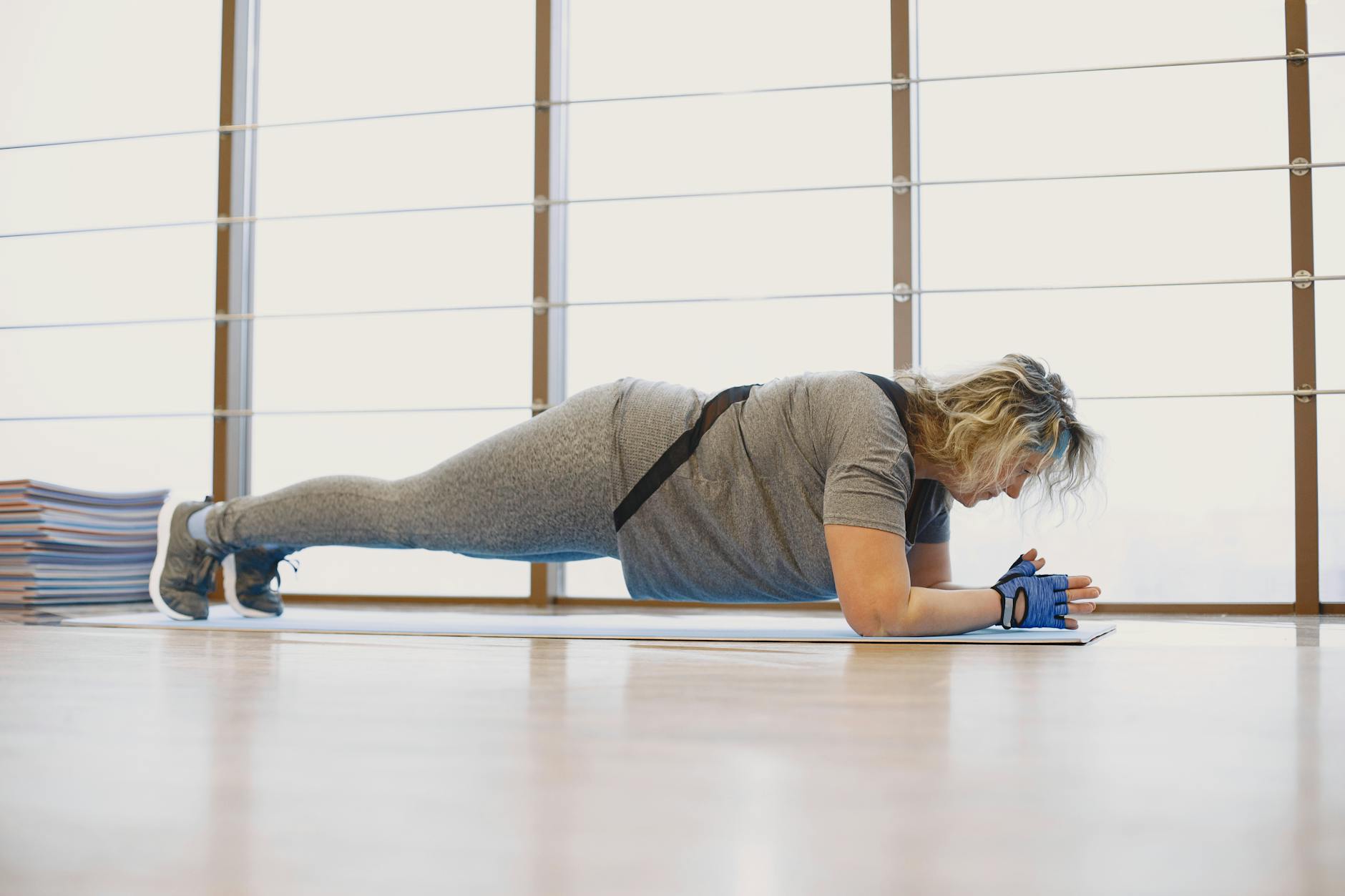
The plank is an absolute foundational movement, but it's often done incorrectly or without progression. It’s about resisting movement, not just holding a static position. Think of it as a moving meditation for your core.
The Perfect Plank Progression
Start with a standard plank, focusing on a straight line from head to heels, bracing your entire midsection as if someone's about to punch you. Hold for 30-60 seconds. Once that's easy, elevate your feet, or try a long-lever plank (reaching arms further forward). Then, you graduate to variations that challenge your stability even more:
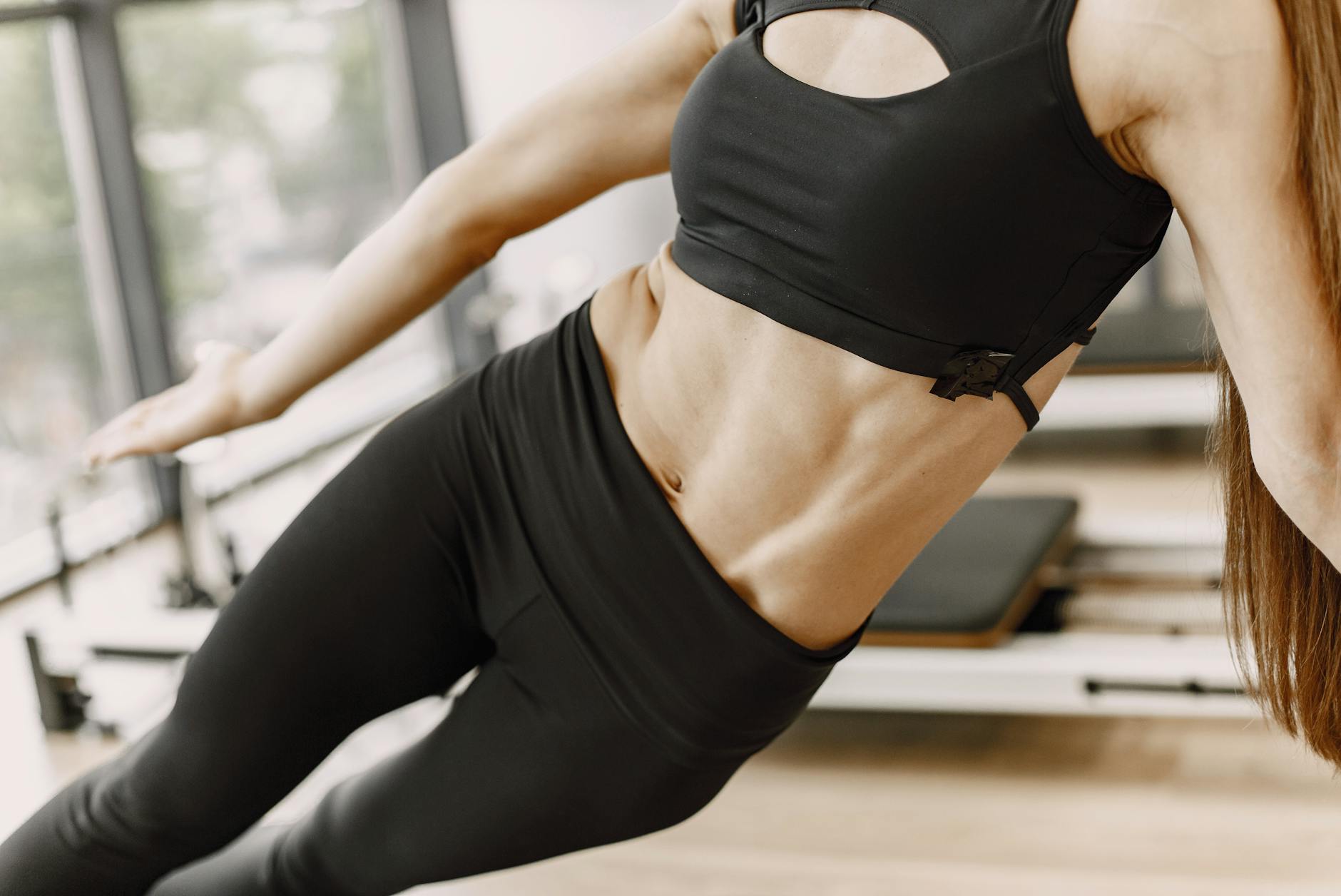
- Side Plank: Excellent for oblique exercises and lateral stability. Keep your body in a straight line, hips lifted.
- Plank with Shoulder Taps: Here, the goal is to keep your hips absolutely still as you tap opposing shoulders. It’s an anti-rotation powerhouse.
- Renegade Row: This one surprised me with how much core strength it demands. In a plank position with dumbbells, row one arm up, resisting the urge to twist your torso. This is phenomenal for National Institutes of Health research on core strength workouts often highlights the importance of anti-rotational strength.
Dynamic Power: Rotational and Flexion Movements
While stability is king, your core also needs to perform dynamic movements. These exercises build power and control, essential for everything from throwing a ball to quickly changing direction.
Adding Movement to Your Core Routine
Once you’ve built a solid foundation with stability exercises, you can introduce more dynamic movements. These help translate that static strength into functional power.
- Cable Chops/Lifts: Using a cable machine, perform diagonal chopping or lifting motions. This is incredible for building powerful obliques and rotational strength, mimicking movements you make in daily life and sports.
- Russian Twists (controlled!): Sitting with feet elevated (if possible), twist your torso from side to side. The key here is control and a full range of motion, not speed. Slow and deliberate, feeling your obliques engage.
- Dead Bug: Don't let the name fool you, this is a fantastic exercise for coordinating your core with limb movement. Lie on your back, knees bent at 90 degrees, arms extended. Slowly lower one arm and the opposite leg towards the floor without letting your lower back arch. It’s harder than it looks and brilliant for abdominal strength exercises.

Integrating Core Work into Your Overall Fitness Strategy
So, you've got these incredible core strength workouts in your arsenal. Now what? The real magic happens when you stop thinking of core work as an isolated "add-on" and start integrating it seamlessly into your broader fitness routine. This isn't just about a strong abs workout; it's about making your whole body stronger.
Frequency and Progression for Building Core Strength
You don't need to do core work every single day, or for an hour at a time. Consistency and intelligent progression are far more important. I recommend hitting your core with focused effort 3-4 times a week. For example, you could include some planks and dead bugs on your Men's Workout Routine days, and then dedicate a specific session to rotational exercises and side planks on another day.
When it comes to progression, don't just add reps. Increase the difficulty of the exercise itself. Can you hold a plank longer? Can you do it with one arm or leg lifted? Can you add resistance to your cable chops? These are the questions that lead to genuine gains. For instance, I had a client who struggled with lower back pain relief and poor posture. We started with basic planks and bird-dogs, gradually progressing to weighted carries and more complex anti-rotation drills. Within three months, his back pain was gone, and he reported feeling significantly more stable in his Ultimate 4 Day Workout Routine.
The Power of Pilates and Bodyweight Core Training
You might be wondering about other modalities. Pilates, for example, is a phenomenal way to build deep core strength and body awareness. Many of its movements are designed specifically to target those intrinsic stabilizing muscles that traditional gym workouts often miss. If you're looking for a different approach to core strengthening exercises, exploring Pilates Workouts YouTube: Best Home Exercises for All Levels can be incredibly beneficial.
Furthermore, don't underestimate the power of a Bodyweight Workout Routine for your core. Many of the most effective core exercises require no equipment at all. Think about the hollow body hold, L-sits, or even just proper push-ups – all demand incredible core engagement. Even during your Cardio Workouts for Men, maintaining a braced core is essential for efficient movement and injury prevention core. This holistic approach is what truly builds a resilient, powerful midsection, as supported by Mayo Clinic research on core strength workouts.
Understanding and actively building a strong core is one of the most impactful things you can do for your body, inside and out. It’s not just about aesthetics; it’s about function, resilience, and living a life free from unnecessary aches and limitations. Stop chasing the superficial and start building from the inside out. Your body, your performance, and your future self will absolutely thank you for it.